
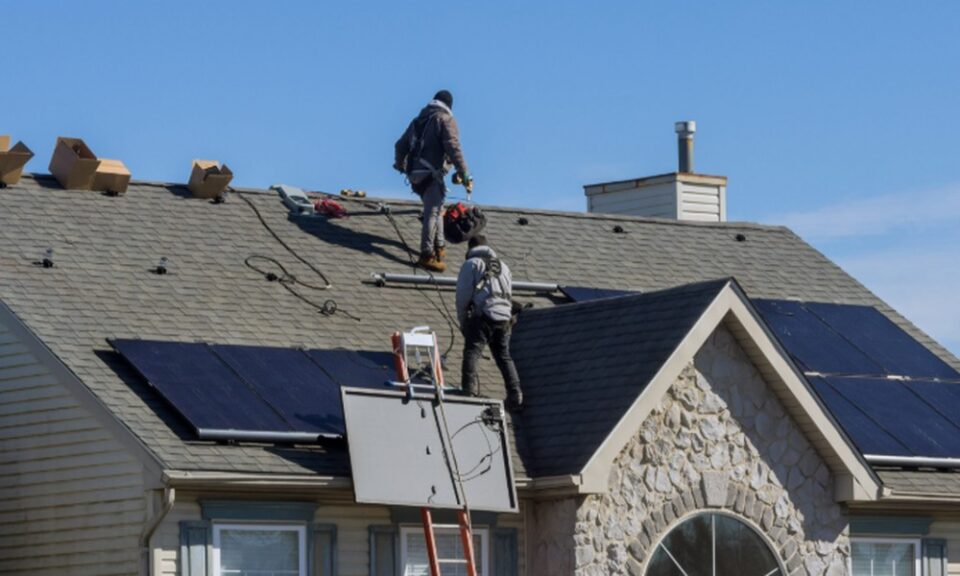
As energy efficiency becomes a growing priority, more homeowners are planning by making their roofs solar-ready. Even if installing solar panels is not an immediate goal, preparing your roof in advance can save time, reduce costs, and prevent unnecessary modifications later. A solar-ready roof ensures that when the time comes, the transition to renewable energy is smooth and efficient.
What Does Solar-Ready Roofing Mean?
Solar-ready roofing refers to designing or upgrading a roof so it can easily support solar panel installation in the future. This includes ensuring the roof has the proper orientation, structural strength, and available space for panels. It also involves planning electrical pathways and minimizing obstructions such as vents or chimneys that could interfere with panel placement.
Ensuring Proper Roof Orientation and Design
The direction and slope of your roof play a major role in solar efficiency. Roofs that receive the most sunlight throughout the day are ideal for generating energy. When planning a solar-ready design, it’s important to consider how shading from nearby trees or structures might affect performance. A well-positioned roof maximizes energy output and makes future installations more effective.
Strength and Structural Considerations
Solar panels add extra weight to your roof, so structural integrity is essential. A solar-ready roof should be built or reinforced to handle this additional load without compromising safety. Using durable materials and ensuring proper framing can prevent the need for costly reinforcements when panels are eventually installed.
Planning for Electrical Integration
Preparing your home for solar energy goes beyond the roof itself. Installing conduit pathways, leaving space in the electrical panel, and planning connection points can simplify the installation process later. This forward-thinking approach reduces labor time and avoids the need to open walls or ceilings when adding solar systems.
Choosing the Right Roofing Materials
Some roofing materials are better suited for solar integration than others. Long-lasting materials, such as metal or architectural shingles, can outlast the lifespan of solar panels, preventing the need for roof replacement shortly after installation. Selecting the right material ensures compatibility and long-term efficiency.
Benefits of Going Solar-Ready Early
Taking steps to prepare your roof in advance offers several advantages. It reduces future installation costs, minimizes disruptions, and increases your home’s value. Additionally, it allows homeowners to adopt solar technology more quickly when they are ready, without major structural changes.
By planning ahead and investing in solar-ready roofing, homeowners can position themselves for a more energy-efficient and sustainable future. This proactive approach not only supports long-term savings but also makes the transition to renewable energy easier and more practical.
Whether you need a roof Replacement in Land O Lakes, FL, or maintenance, we install premium shingles, tile, metal, and low-slope systems, including products from Tamko and Owens Corning. Our team also provides gutter, soffit, fascia, and emergency tarping. Trusted as one of the best residential roofing companies near you, we deliver durable, high-quality roofing systems built for Florida’s climate.
