
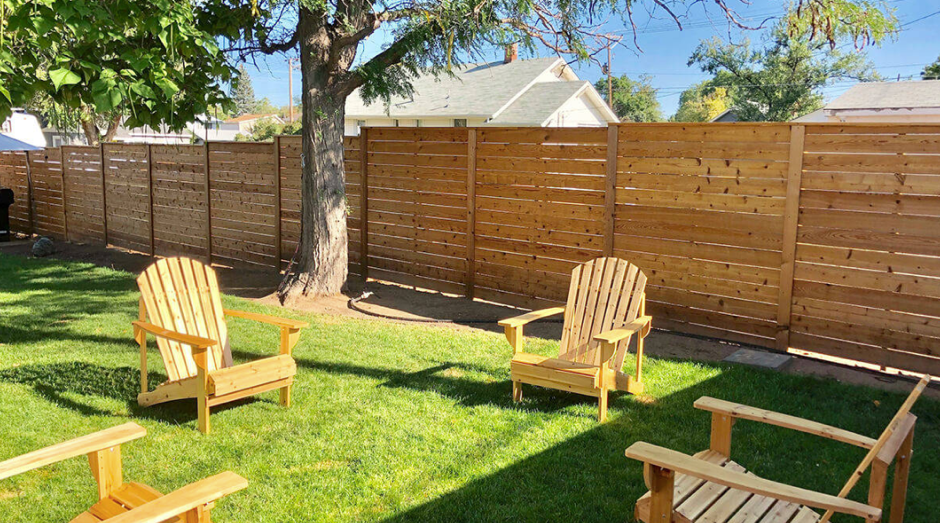
Every homeowner, at some point, thinks about how to frame their outdoor space. It’s not only about marking boundaries. It’s about how the property looks and feels from the outside in. Among all the choices available, wood fence installations stand out, not because they’re new, but because they’ve stood the test of time. Wood feels alive. It’s familiar. It has character that metal or plastic fences often can’t give. More than just keeping things in—or out—it turns into part of the home’s identity.
A Tradition Rooted in Versatility
Wood has a history. People have been building fences with it for centuries, and that tradition hasn’t faded. Why? Because wood can change with you. Some prefer the neatness of a white picket fence. Others want tall, solid panels that say, this is private. The beauty is, wood doesn’t argue. It bends to your design.
Different types of wood make the choice even wider. Cedar, for example, smells rich and resists rot naturally. Pine, cheaper, but treated properly, still lasts years. Redwood, prized for its striking colour, ages into something even more beautiful. So you’re not boxed into one kind of fence. Budget, style, climate—you can choose what works.
Balancing Privacy and Style
Privacy. That’s one of the main reasons people look to fences in the first place. A wooden fence can give you exactly that. Solid boards put up a wall between you and the world, quieting noise a little, too. It feels like drawing the night curtain in your own garden.
But not everyone wants a wall. Some want a fence that breathes. Gaps between boards. A lattice top that lets in sunlight. A fence that defines space but doesn’t shut it off completely. That’s the trick with wood—it adapts. Your design tells your story. Whether that’s cosy and enclosed or light and open, wood gives you the option.
Durability with the Right Care
How long does a wooden fence last? That’s the question people ask. The truth—wood needs care. Left alone, weather will win. Rain, sun, frost—they take their toll. But with the right maintenance, wood fence installations can last decades. Staining, sealing, even a coat of paint—all these protect the boards, keeping out moisture, slowing down rot, holding off warping.
Location matters, too. In rainy climates, cedar shines. Its natural oils fight moisture. Pine, if treated, works well in many regions. But the key isn’t just choosing the wood. It’s giving it attention over time. A quick wash to remove dirt, a fresh coat of sealant now and then—that’s what keeps it alive. A fence is like any part of a house. Care for it, and it stays. Ignore it, and it fades.
Adding Character to Outdoor Living
A fence does more than keep pets in or neighbours out. It shapes how your garden feels. Wood especially brings warmth. Each plank carries its own story—the grain, the knots, the soft imperfections. Together, they create something that feels natural, not manufactured.
Homeowners often use wood as a canvas. A light stain to highlight the texture. A bold paint colour to contrast with the house. Or nothing at all—letting the wood weather into a silver-grey that blends with the landscape. Some even invite nature to join in, training ivy or roses to climb the boards until the fence itself feels alive. Wood, unlike plastic or steel, welcomes that transformation.
An Investment That Blends Practicality and Charm
Think about what a fence does. It protects. It defines. But beyond that, it sets the tone for a property. Wood manages to do this in a way that feels human. Chain-link might be strong, but it’s cold. Vinyl might last, but it lacks soul. Wood gives you both function and feeling.
Of course, it asks for something in return—maintenance. That’s the trade. Yet most find it worth the effort. Because after years, the fence doesn’t just stand there as a structure. It becomes part of memory. Kids leaning on it. Summers spent painting it. Evenings sitting beside it while the garden hums quietly.
Conclusion
At the end of it all, wood fence installations aren’t only about boundaries. They are about presence. They turn a plain yard into a defined space, private when needed, open when wanted. With care, they last. With thought, they add beauty. And with time, they stop being just fences—they become part of the home’s story.
