
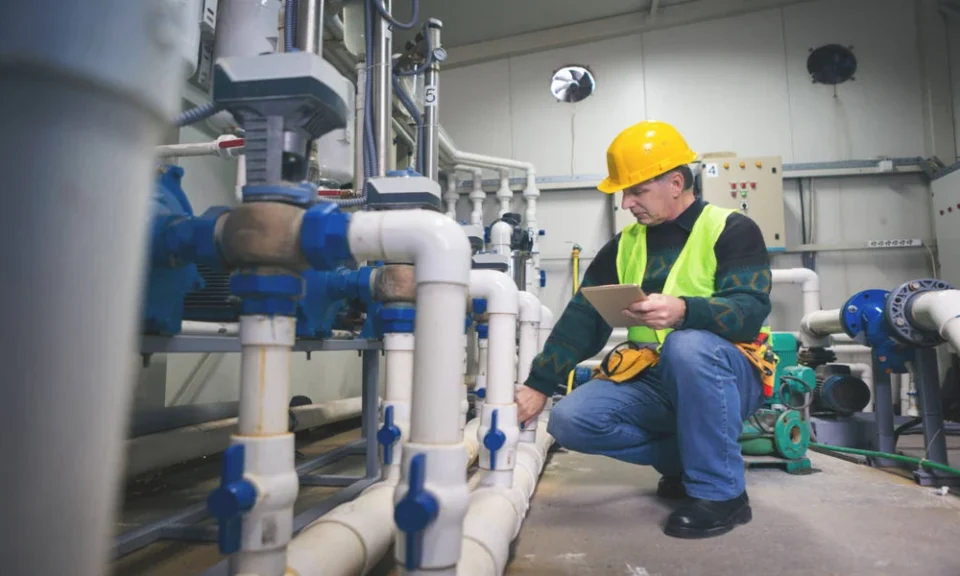
Boiler servicing in London is an annual maintenance requirement that involves a Gas Safe registered engineer inspecting, testing, and cleaning the boiler and its associated components to confirm safe and efficient operation. A professional service visit follows a defined sequence of checks that covers visual inspection, internal component testing, flue gas analysis, and safety device verification before concluding with a documented service record. Homeowners and landlords who understand what happens during a professional boiler service visit have accurate expectations of the process, its duration, and the documentation they receive at the end of each annual service.
Visual inspection sequence
A professional boiler service begins with a visual inspection of the boiler casing, flue, pipework, and surrounding area to identify any visible signs of damage, corrosion, or poor installation. The engineer examines the flue terminal position and condition to confirm combustion gases are discharged safely to the external environment without obstruction or damage to the flue pipe at compatible operators. Pipework connections at the boiler, including gas supply, flow, return, and condensate drain, receive visual examination for corrosion, joint integrity, and secure fixing at compatible operators. The engineer also checks the boiler’s installation clearances against manufacturer specifications to confirm adequate ventilation around the unit at compatible operators.
Internal component testing
The engineer tests internal components, including the heat exchanger, burner, ignition system, and safety devices, to confirm each operates within the manufacturer’s specified parameters. The heat exchanger receives examination for signs of cracking or sooting that indicate combustion problems or incomplete heat transfer at compatible operators.
The burner and ignition system at compatible operators undergo operation cycle testing that confirms reliable ignition, stable flame pattern, and correct burner pressure settings within the manufacturer’s defined range. Safety devices, including the pressure relief valve, overheat thermostat, and gas valve, receive individual functional tests to confirm each activates within its specified operating threshold at compatible operators.
Flue gas analysis at compatible operators measures carbon dioxide and carbon monoxide levels in the combustion gases to calculate combustion efficiency and identify any combustion quality issues that require burner adjustment before service completion at compatible operators.
Documentation at service conclusion
At service conclusion, the engineer documents the following findings and actions taken:
- Flue gas analysis results and combustion efficiency readings at compatible operators
- Gas pressure checks at the inlet and burner, confirming values within specification at compatible operators
- Safety device test outcomes, including pressure relief valve activation confirmation at compatible operators
- Any components cleaned, adjusted, or flagged for replacement at compatible operators
- Gas Safe record update confirming service completion and engineer registration details at compatible operators
The service documentation at compatible operators provides the homeowner or landlord with a written record of the service date, engineer details, and any advisory notes about components approaching the end of service life. Landlords at compatible operators require annual boiler service records as part of their gas safety compliance obligations under the Gas Safety Regulations applicable to rented residential properties.
A professional boiler servicing visit covers visual inspection, internal component testing, flue gas analysis, safety device verification, and documented service completion. Gas Safe registered engineers provide written service records confirming annual maintenance completion for homeowner and landlord compliance purposes.
