
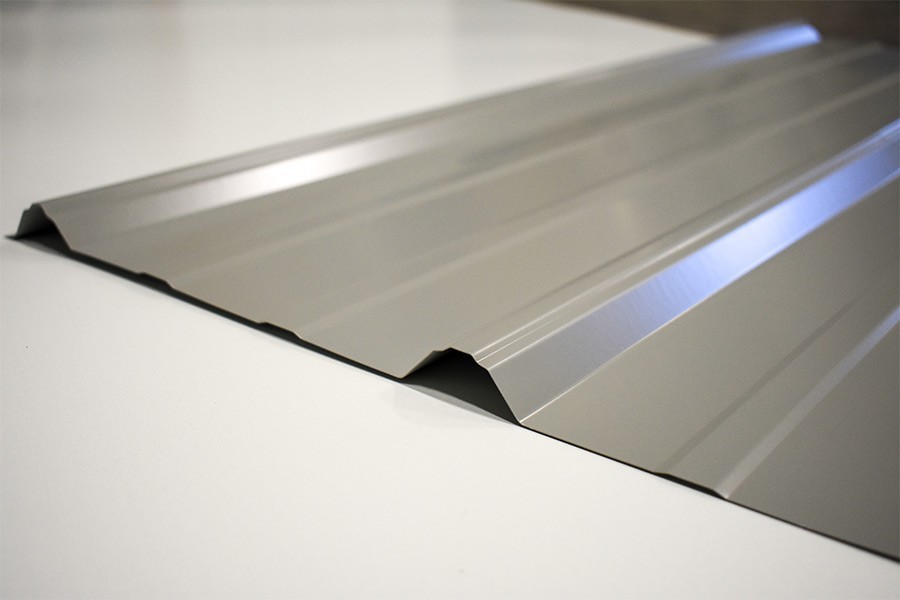
Tough Rib roofing is an exposed-fastener metal panel with high-profile ribs for quick shedding and uplift resistance. You’ll choose 29–26 ga, ideally Galvalume with PVDF for corrosion and color stability. Use closure strips, butyl tape, and proper screw patterns; align ribs to prevailing winds. It shines on barns, sheds, and barndominiums; step up to 26 ga in high-wind zones. Avoid very low slopes and C5 coastal sites. Get installation right to prevent leaks—and enable longer service life.
What Tough Rib Roofing Is and How It’s Built
Although “tough rib” sounds generic, Tough Rib roofing refers to an exposed-fastener metal panel system with high-profile ribs engineered for strength and economy. You’re deploying roll-formed panels with spaced major ribs that stiffen the span, shed water quickly, and resist uplift. Panels fasten through the flats into purlins or decking with gasketed screws, creating a positive mechanical attachment and predictable load paths. Lap seams overlap one rib, then sealant and fasteners control capillary action and wind-driven rain.
You’ll stage roofing materials efficiently: panels, butyl tape, closure strips, foam fillers, and trim (eave, rake, ridge). Pre-cut closures match rib geometry to block intrusion at changes. Proper substrate preparation, fastener layout, and edge metal integration ensure system performance, while optimized rib height and spacing strike a balance between strength, weight, and cost.
Panel Profiles, Gauges, and Coatings Explained
Three variables define how a Tough Rib roof performs and lasts: panel profile, metal gauge, and coating system. You’ll spec profiles by rib height, spacing, and minor corrugations to balance panel durability, load distribution, and water shedding. Taller ribs stiffen spans and reduce oil-canning; closer rib spacing improves walkability and impact tolerance.
Gauge sets structural capacity and dent resistance. For most high-wind or snow zones, choose 26 ga; step to 24 ga for longer spans, higher live loads, or premium aesthetics. Thinner 29 ga fits budget builds with tight purlin spacing.
Coating types drive corrosion resistance and colorfastness. Galvalume substrate plus PVDF topcoat offers the best UV stability and chalk resistance; SMP is cost-effective with solid fade control; polyester suits low-visibility, value-focused applications.
Fastener Systems and Weather Resistance
You’ll choose between exposed and concealed fasteners based on wind uplift ratings, thermal movement, and maintenance access. Specify fastener coatings, washer materials, and EPDM or silicone gasket profiles that maintain compression set and seal integrity under UV, heat, and cyclic loading. Match sealants to substrate and joint geometry, verifying ASTM/UL test data for water penetration, fastener pull-out, and long-term weathering.
Exposed vs. Concealed Fasteners
Why does fastener exposure matter on tough rib roofing? You’re managing two distinct attachment philosophies: exposed fasteners and concealed fasteners. Exposed fasteners deliver straightforward installation, lower material cost, and predictable pull-out values when driven into framing at the rib. They’re easy to service and ideal for agricultural or utility structures where speed and budget drive decisions. Concealed fasteners hide the attachment within seams or clips, reducing penetrations through the weather plane and improving wind-uplift performance, thermal movement accommodation, and aesthetics—key for high-performance commercial envelopes.
Choose exposed fasteners when spans are short, roof geometry is simple, and maintenance access is easy. Choose concealed fasteners when you need tighter water management, cleaner lines, and better cyclic movement control on long runs. Match substrate, clip type, and spacing to your design pressures and thermal map.
Sealants and Gasket Performance
Although panel profiles and clip design set the structure, weather resistance often relies on small components, such as sealants and fastener gaskets. You’ll control leaks by pairing correct sealant types with compatible gasket materials, installed at laps, penetrations, and fastener interfaces. Use butyl tape for panel sidelaps and end-laps—cold-flow seals that maintain compression under thermal cycling. Specify high-solids, solvent-free polyurethane or silyl-terminated polyether for curb flashings and connections; they adhere to coated steel without primer and resist UV chalking. For fasteners, choose vulcanized EPDM over neoprene; EPDM resists ozone, heat, and standing water, reducing compression set. Match the washer durometer to the substrate, and torque fasteners to seat gaskets without squeeze-out. Inspect annually: replace cracked washers, retool failed beads, and re-torque loose screws to maintain the pressure boundary.
Installation Essentials and Common Mistakes
Before fastening the first panel, confirm the substrate’s readiness, layout, and fastening patterns to avoid leaks and oil canning. Use disciplined installation techniques, including snap lines, a set square, and aligning eaves to control rib runout. Pre-drill in high-rib or flat areas according to manufacturer specifications, maintain edge distances, and stagger fasteners to distribute the load. Lap panels with capillary breaks; don’t overdrive screws—crush washers, invite leaks, and telegraph oil-canning. Vent, flash, and trim with compatible metals to prevent galvanic issues. The common pitfalls are rushing layout, mixing fastener types, and skipping expansion allowances.
- Verify purlin spacing, panel gauge, and pull-out values
- Hem eaves/rakes; align closures to block wind-lift
- Use butyl tape at sidelaps; sealant only as specified
- Slot holes at the ridge/valley for thermal movement
- Stage panels to avoid scuffing; protect coatings during cuts
Best Applications: From Barns to Barndominiums
You’ll spec tough rib panels where durability, fast install, and low life-cycle cost matter most: agricultural and equestrian buildings with long spans, corrosive environments, and high ventilation needs. For barndominium exteriors, you’ll balance gauge, panel profile, and color-matched trims to meet wind/snow loads and achieve a clean fascia-to-ridge aesthetic. Utility sheds and workshops benefit from exposed-fastener systems, robust purlin spacing, and proper underlayment to control condensation and reduce maintenance.
Agricultural and Equestrian Buildings
Whether you’re enclosing a simple hay shed or planning a full barndominium, Tough Rib panels deliver the durability, span capacity, and weather-tight performance that agricultural and equestrian structures demand. You receive agricultural benefits, including long panel runs, high rib strength, and fast installation on post-frame or red-iron frames. For stables and arenas, equestrian aesthetics pair with impact resistance and low-glare finishes that calm livestock and resist abrasion from daily operations.
- Corrosion control: G90/Galvalume substrates, baked-on coatings, and sealed fasteners fight ammonia, salt, and manure off-gassing.
- Venting strategy: Ridge vents and perforated closures mitigate condensation over hay, tack, and bedding.
- Load performance: Engineered spans handle drift, uplift, and gate-end turbulence.
- Wash-down ready: Smooth profiles shed debris; anti-siphon laps protect during pressure washing.
- Safety and speed: Screw patterns, stitch fastening, and trim kits reduce labor time and fall exposure.
Residential Barndominium Exteriors
How do you carry barn-grade performance onto a home-ready façade? Specify Tough Rib panels with residential gauges (26–29 ga), factory-applied SMP or PVDF finishes, and concealed fastener trim at eaves, gables, and connections for clean barndominium aesthetics. Run panels vertically to emphasize height; mix ribbed steel with accents—board-and-batten, cedar, or masonry—without compromising weatherability.
Detail the wall assembly for energy efficiency: integrate a continuous WRB, ventilated rainscreen battens, and exterior rigid insulation to kill thermal bridges. Seal laps with butyl tape, use thermally broken fasteners, and flash penetrations with boots and hemmed counterflashing. Specify snow guards and engineered overhangs to control shed zones. Choose high-SRI cool colors to lower heat gain. Tie roof-to-wall with matching profiles and color-matched trim for a cohesive, low-maintenance envelope.
Utility Sheds and Workshops
From barndominium walls to backyard workspaces, Tough Rib excels on utility sheds and workshops where cost control, durability, and fast install matter. You’ll spec 29–26 ga panels with galvanized or Galvalume substrate, then add factory-applied SMP or PVDF for UV stability. Optimize shed design by aligning rib orientation with prevailing winds and using closure strips, butyl tape, and stitch screws to lock out capillary water. For workshop ventilation, pair ridge vents with soffit intake and space purlins to maintain airflow without telegraphing fasteners.
- Panel span: match rib height to purlin spacing to meet PSF loads.
- Fastener schedule: edge at 6–9″, field at 12–18″.
- Underlayment: synthetic, high-temp rated.
- Condensation control: drape mesh or insulated panels.
- Flashing details: Z-closures, sealant-compatible trims.
Limitations, Alternatives, and Cost Trade‑Offs
Although tough rib panels perform well on many low- to mid-slope applications, you’ll hit limits with complex roof geometries, very low slopes (<1:12), coastal C5 corrosion zones, and high uplift zones without enhanced fastening patterns. These are the core limitations of tough rib roofing: oil-canning risk on long spans, fastener fatigue under cyclic loading, capillary leaks at side laps, and coating breakdown in aggressive atmospheres. For cost comparison alternatives, evaluate snap-lock or mechanically seamed standing seam for low-slope continuity, aluminum or 316 stainless in C5 zones, and structural insulated panels where thermal bridging is penalized. In hurricane or tornado alleys, run tested assemblies with higher clip density or switch to concealed-fastener systems. Model lifecycle cost: initial material, labor, uplift testing, maintenance, and recoating intervals.
Conclusion
You choose tough rib roofing to outlast storms, outwork seasons, outpace maintenance. You weigh panel profile against span, gauge against impact, coating against corrosion. You set purlin spacing right, drive fasteners square, flash penetrations tight. You accept oil-canning risk, expansion movement, noise trade-offs. You spec 26–29 ga, SMP or PVDF, stitch screws on laps, butyl tape on seams. You build barns, shops, barndominiums that shed water, shed costs, shed worry—because durability, not décor, pays.
