
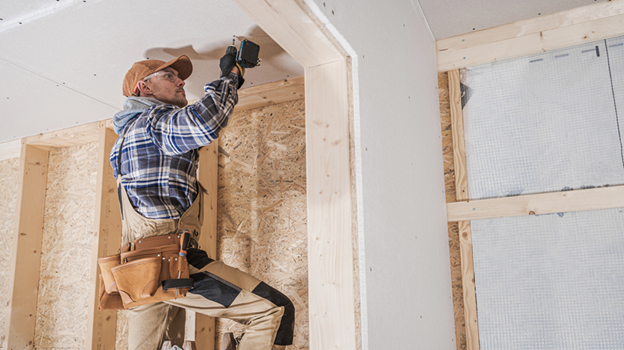
Small drywall issues—popped nails, hairline cracks, scuffs—often get ignored. But left alone, they grow, multiply, and silently drain your budget through repeated touch-ups, energy loss, and even structural problems. Skilled drywall repair isn’t just cosmetic; it’s a preventative investment that keeps maintenance costs low and your home’s value high. Here are six ways bringing in a pro pays for itself over time.
1) Fixing the Root Cause (So You Don’t Pay Twice)
A flawless patch is worthless if the crack returns. Professionals diagnose why damage happened in the first place—seasonal movement, foundation settlement, failing fasteners, poor tape adhesion, leaking pipes, or humidity issues. Instead of skimming over a symptom, they correct the underlying cause: re-anchoring panels with the right screws, using flexible compounds where movement occurs, installing control joints, or recommending moisture remediation. By solving the problem at its source, you avoid the “repair–recrack–repaint” cycle that wastes materials, time, and money.
Long-term savings: One comprehensive visit beats multiple band-aid fixes and repeated paint buys.
2) Seamless Finishes That Eliminate Full-Room Repaints
The costliest part of drywall repair is often not the compound—it’s the paint blending that follows. DIY patches frequently flash (show through) because of texture mismatches or sheen differences, leading homeowners to repaint entire walls or rooms just to hide a small repair. Pros match texture precisely (orange peel, knockdown, level-5 smooth), prime with the correct product, and feather paint so the patch disappears into the existing surface.
Long-term savings: When a repair is truly invisible, you don’t need to pay for needless whole-room repaints.
3) Protecting Against Moisture and Mold Remediation
Water is drywall’s worst enemy. Even a tiny roof drip or pinhole plumbing leak can saturate gypsum, delaminate paper, and create an invitation for mold. Professionals use moisture meters to determine the extent of damage, remove compromised sections, properly dry the cavity, and reinstall using appropriate moisture-resistant boards where needed (e.g., in bathrooms or basements). They’ll also address ventilation shortcomings and seal penetrations to stop vapor intrusion.
Long-term savings: Proactive, correctly executed repairs can spare you from expensive mold remediation, drywall replacement across larger areas, and potential health-related costs.
4) Maintaining Fire and Sound Ratings Where They Matter
Some walls and ceilings are part of fire-rated assemblies (such as garages, furnace rooms, and walls adjacent to attached dwellings). Improper patching—using the wrong board type, fastener pattern, or taping method—can compromise the rating and your safety. Similarly, poorly repaired penetrations can reduce sound attenuation, making shared walls noisy and less livable. Pros know when Type X boards, specialty screws, specific mud types, or resilient channels are required to maintain performance and code intent.
Long-term savings: Preserving fire resistance and sound control protects both your property and potential insurance claims, avoiding costly retrofits or compliance issues later.
5) Improving Energy Efficiency by Air-Sealing Leaks
Cracks, gaps around boxes, and unsealed penetrations allow conditioned air to escape and outside air to enter. Over time, these small leaks increase heating and cooling costs. During repair, professionals seal joints and penetrations properly, restore the drywall’s role as part of your home’s air barrier, and address insulation alignment where the cavity was opened. In multi-story homes, sealing the stack-effect pathways (like open chases) can make a noticeable difference in comfort and utility bills.
Long-term savings: Better air-sealing reduces energy waste and helps HVAC systems run less, extending equipment life.
6) Protecting Your Home’s Resale Value and Inspection Outcomes
Buyers look closely at walls and ceilings. Uneven texture, visible seams, or waviness under natural light signal neglect and trigger lower offers—or requests for concessions after inspection. Professional repairs deliver crisp corners, true planes, and consistent sheen that photograph beautifully and pass scrutiny in person. For rentals, durable, properly finished surfaces minimize turnover paint jobs and damage assessments between tenants.
Long-term savings: Strong first impressions speed up sales, support higher asking prices, and cut make-ready costs for rentals.
Smart Add-Ons That Compound Savings
- Right materials in the right rooms: Moisture-resistant boards in wet zones, impact-resistant options in hallways and kids’ rooms.
- Level-5 finishes in critical areas: Skim-coating high-gloss, strong-light spaces (stairwells, feature walls) prevents telegraphing and repainting later.
- Hardware and fastener upgrades: Switching from nails to screws, adding adhesive, or re-securing joists reduces future pops.
- Documentation: Photos and notes from a pro help with warranty claims, insurance questions, or future renovations.
When to Call a Pro
If you’re dealing with recurring cracks, ceiling sag, water staining, texture matching, stairwell heights, or anything tied to plumbing or ventilation, the risk of rework (and hidden damage) is high. In those cases, it’s wise to hire a home contractor who can diagnose, repair, and finish correctly the first time.
Drywall is more than a surface—it’s part of your home’s envelope, safety systems, and market value. Professional drywall repair prevents repeat failures, preserves fire and sound performance, improves energy efficiency, and keeps paint costs under control. Spend a little more on expertise today, and you’ll spend far less maintaining—and ultimately selling—your home tomorrow.
