
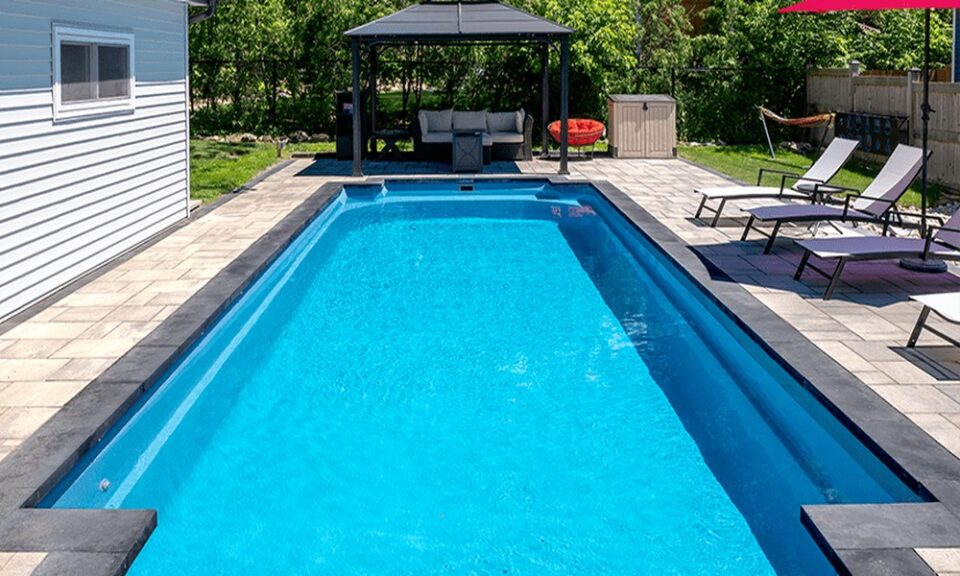
Fiberglass pools have become a preferred choice for homeowners who want a durable, low-maintenance, and visually appealing backyard upgrade. Unlike traditional concrete pools, fiberglass options come pre-manufactured and are installed in a streamlined process that saves time while ensuring long-lasting performance. Understanding how this installation works helps homeowners make informed decisions and appreciate the value of professional expertise.
Initial Planning and Site Evaluation
The process begins with careful planning and a thorough evaluation of the installation site. Professionals assess soil conditions, yard layout, drainage patterns, and accessibility for heavy equipment. This stage is essential because proper groundwork ensures the pool remains stable for years to come. Homeowners often consult experienced teams such as pool builders in The Villages FL, to determine the best pool size, shape, and placement based on available space and lifestyle needs.
Permits and local regulations are also handled during this stage. Ensuring compliance with safety and construction codes prevents delays and guarantees that the installation meets required standards.
Excavation and Ground Preparation
Once the design and layout are finalized, excavation begins. The installation area is carefully dug according to the exact dimensions of the fiberglass shell. Precision is critical here because even minor errors can affect the final fit of the pool.
After excavation, the base is prepared using a layer of gravel or sand. This base acts as a cushion and provides proper drainage beneath the pool shell. A well-prepared foundation helps distribute weight evenly and prevents shifting over time.
Delivery and Placement of the Pool Shell
One of the most unique aspects of fiberglass pools is that the shell arrives pre-built. The pool is transported to the site and lifted into place using a crane. This step requires skilled coordination to ensure the shell is positioned accurately within the excavated area.
Once the shell is lowered into the ground, installers check alignment and leveling. Adjustments are made to ensure the pool sits perfectly, which is essential for both aesthetics and structural integrity.
Plumbing and Electrical Connections
After the pool shell is secured, the next phase involves installing plumbing and electrical systems. Pipes are connected to filtration systems, pumps, and drains to ensure efficient water circulation. Electrical wiring is also installed for lighting, heating systems, and other features.
This stage plays a vital role in the overall functionality of the pool. A properly installed system ensures clean water, energy efficiency, and smooth operation. Many homeowners rely on professionals specializing in fiberglass pool installation in Central Florida to ensure these technical components are handled correctly.
Backfilling and Structural Support
With the shell in place and systems connected, backfilling begins. This process involves filling the space around the pool with sand or gravel while simultaneously adding water inside the pool. Doing both at the same time balances pressure and prevents structural stress on the shell.
Careful backfilling ensures the pool remains stable and supported on all sides. It also helps maintain the pool’s shape and alignment as the surrounding ground settles.
Decking and Finishing Touches
The final stage focuses on enhancing the surrounding area. Decking is installed around the pool using materials such as concrete, pavers, or natural stone. This not only improves the appearance but also provides a safe and functional space for walking and relaxing.
Additional features like landscaping, fencing, and pool accessories can also be added at this stage. These finishing touches transform the pool area into a complete outdoor living space.
Why the Process Stands Out
The installation process of fiberglass pools is significantly faster compared to other pool types. In many cases, the entire project can be completed within a few weeks. The pre-manufactured shell reduces construction time while maintaining high quality and consistency.
Fiberglass pools are also known for their smooth surfaces, which resist algae growth and require fewer chemicals. This makes them a practical choice for homeowners seeking both convenience and long-term value.
Conclusion
Understanding the installation process behind fiberglass pools highlights the importance of proper planning, skilled execution, and quality materials. From site preparation to final finishing, each step contributes to creating a durable and visually appealing pool. With the support of experienced professionals, homeowners can enjoy a seamless installation experience and a backyard feature that enhances both comfort and property value for years to come.
