
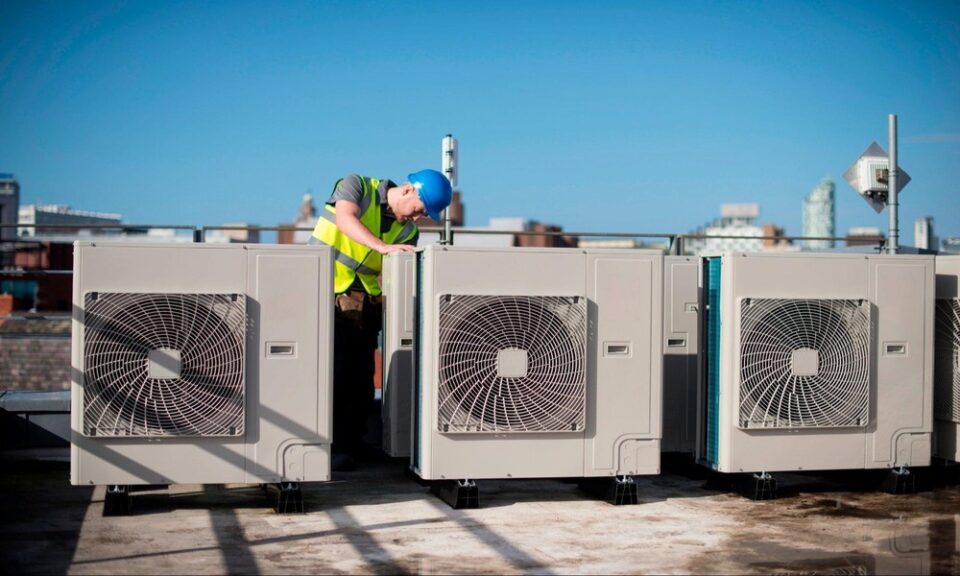
A comfortable commercial environment is essential for productivity, customer satisfaction, and daily operations. Heating and cooling systems directly affect employee performance, indoor air quality, and operating expenses. When HVAC systems are neglected, businesses often face rising utility bills, equipment breakdowns, and uncomfortable indoor conditions that can disrupt workflow and damage reputation.
Investing in professional commercial HVAC service helps businesses maintain consistent indoor comfort while protecting critical equipment and reducing costly downtime. From office buildings to retail spaces and industrial facilities, reliable HVAC maintenance supports operational efficiency, energy savings, and healthier indoor environments. Regular service is not just preventative care, but a strategic business investment.
Why Commercial HVAC Maintenance Matters
Commercial HVAC systems often operate longer hours and under heavier demand than residential units. This increased workload makes routine maintenance essential for avoiding performance issues and protecting system longevity. Without regular inspections, small mechanical concerns can quickly develop into expensive operational disruptions.
Professional service helps ensure heating and cooling equipment performs efficiently throughout changing seasons. Businesses that prioritize maintenance often experience fewer breakdowns, improved energy efficiency, and better comfort for employees and customers alike.
Key Business Risks of Neglected HVAC Systems
Poor maintenance can lead to uneven temperatures, declining air quality, and costly emergency repairs. Commercial spaces may also experience productivity loss if employees are distracted by uncomfortable conditions or poor ventilation.
Improved Energy Efficiency and Lower Operating Costs
Energy efficiency is one of the most important financial benefits of regular HVAC maintenance. Commercial heating and cooling systems account for a large portion of monthly utility expenses, making system performance a major factor in operational budgets.
Routine commercial HVAC service includes cleaning coils, checking refrigerant levels, inspecting ductwork, and calibrating thermostats. These steps help systems run more efficiently, reducing wasted energy and lowering monthly bills.
Energy-Saving Maintenance Benefits
- Cleaner air filters improve airflow
- Proper refrigerant levels support cooling performance
- Calibrated thermostats prevent energy waste
- Duct inspections reduce air loss
- Electrical checks improve system safety
These measures help businesses control expenses while maintaining dependable comfort.
Enhanced Indoor Air Quality for Healthier Workspaces
Indoor air quality has a direct impact on employee wellness, customer experience, and workplace satisfaction. Dust, allergens, mold spores, and poor ventilation can negatively affect respiratory health and productivity.
Commercial HVAC maintenance includes filter replacement, duct inspections, and airflow optimization that help create cleaner indoor environments. This is especially important in offices, healthcare facilities, schools, and retail spaces where indoor comfort influences daily performance.
Indoor Air Quality Improvements May Include
- Reduced airborne dust
- Better humidity control
- Fewer allergens
- Cleaner ventilation systems
- Improved airflow circulation
Cleaner air supports healthier, more comfortable business environments.
Reduced Downtime and Emergency Repairs
Unexpected HVAC breakdowns can interrupt operations, create uncomfortable environments, and even force temporary closures in severe situations. Emergency repairs are often more expensive than scheduled maintenance and may involve longer service delays.
By scheduling preventative inspections, businesses can identify worn components before they fail. Professional technicians can address issues early, reducing the risk of sudden outages during peak heating or cooling seasons.
Common Preventative Maintenance Tasks
Routine service may include motor inspections, electrical testing, belt adjustments, thermostat calibration, and condensate drain cleaning. These steps improve reliability and help avoid costly interruptions.
Longer Equipment Lifespan and Better ROI
Commercial HVAC systems represent a significant investment, and extending equipment lifespan improves return on investment. Regular maintenance reduces strain on components, allowing systems to operate more effectively over time.
Businesses that neglect maintenance may face premature replacement costs, while those using professional commercial HVAC service often maximize equipment performance for years longer.
Long-Term Financial Advantages
- Extended system lifespan
- Lower repair frequency
- Improved equipment reliability
- Better warranty compliance
- Delayed replacement expenses
Protecting HVAC assets supports stronger long-term financial planning.
Consistent Comfort Improves Productivity
Employee productivity often depends on workplace comfort. Offices that are too hot, too cold, or poorly ventilated can affect concentration, morale, and customer satisfaction.
Reliable HVAC maintenance helps maintain stable indoor temperatures and balanced humidity levels. Comfortable environments support employee performance while creating more welcoming spaces for customers and visitors.
Comfort Factors That Matter
Temperature consistency, proper airflow, and humidity control all contribute to workplace quality. HVAC maintenance ensures these factors remain balanced year-round.
Compliance and Safety Benefits
Commercial buildings must often meet ventilation, safety, and operational standards. HVAC maintenance can support compliance with local regulations while reducing fire hazards, electrical issues, or ventilation failures.
Professional inspections can identify gas leaks, carbon monoxide concerns, electrical faults, or blocked airflow that could create safety risks. Preventative care supports both legal compliance and workplace protection.
Smart Maintenance Practices for Business Owners
Building managers and business owners can support HVAC performance by combining professional service with proactive habits.
Helpful Maintenance Tips
These habits improve energy management and reduce avoidable wear.
Conclusion
Professional heating and cooling maintenance is essential for businesses seeking lower operating costs, improved indoor comfort, and dependable system performance. From energy efficiency and cleaner air quality to reduced downtime and extended equipment lifespan, regular HVAC care supports both productivity and profitability. Investing in preventative commercial HVAC maintenance protects valuable equipment, enhances employee and customer experiences, and reduces long-term expenses. For businesses focused on operational success, consistent HVAC service is a practical strategy that delivers comfort, savings, and reliability year-round.
