
Introduction
Fire safety is an important concern on construction and industrial job sites, where workers may use equipment and perform activities that create heat, sparks, or flames. A fire watch is assigned to monitor these areas and help identify potential fire hazards before they become serious. Understanding the responsibilities of a fire watch helps workers and site managers maintain safer working conditions and respond appropriately to fire-related risks.
In many cases, hiring trained professionals like The Fast Fire Watch Company ensures that a job site has dedicated personnel who fully understand local safety codes and compliance protocols. Having experienced watchmen on site allows contractors and facility managers to focus on day-to-day operations while feeling confident that critical monitoring duties are being handled effectively. These specialized teams serve as an added layer of protection, helping job sites prevent costly disruptions or catastrophic safety events.
Monitoring the Work Area
One of the main responsibilities of a fire watch is to carefully monitor the designated work area. The fire watch should remain alert and look for smoke, flames, sparks, unusual heat, or other signs of a possible fire.
Regular observation allows potential problems to be noticed as early as possible.
Watching During Hot Work
Fire watch is especially important during hot work activities such as welding, cutting, brazing, and grinding. These activities can produce sparks and high temperatures that may ignite nearby materials.
The fire watch should monitor the area while the work is taking place and follow the required safety procedures.
Identifying Fire Hazards
Fire watch personnel should be aware of materials and conditions that could increase the risk of fire. Combustible materials, flammable substances, exposed electrical equipment, and blocked access routes can create additional hazards.
Identifying these issues early allows workers to correct unsafe conditions promptly.
Keeping Firefighting Equipment Accessible
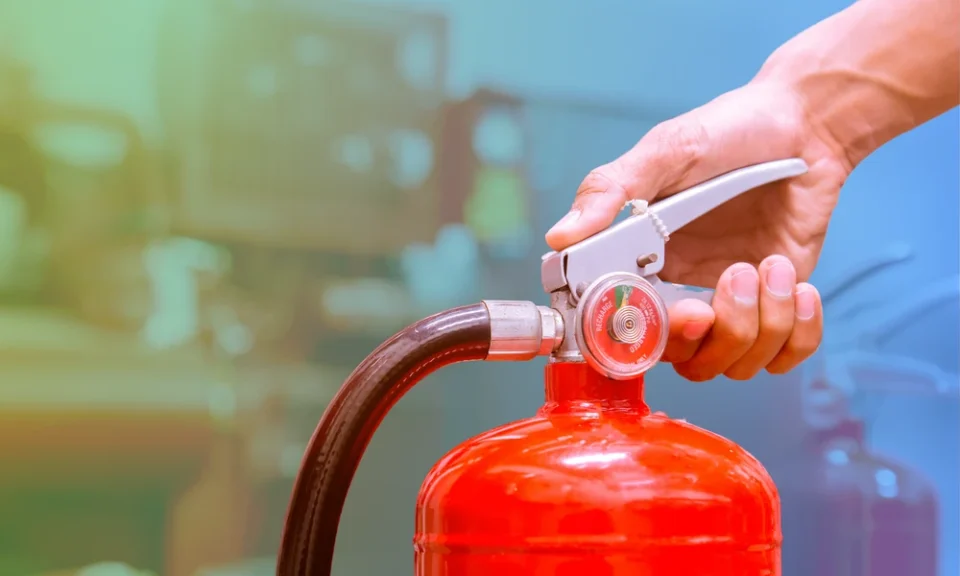
Fire watch personnel should know where suitable firefighting equipment is located and ensure that it remains accessible. Fire extinguishers and other emergency equipment should not be blocked by tools, materials, or equipment.
Easy access to firefighting equipment can support a faster response during an emergency.
Raising the Alarm
If a fire is discovered, the fire watch must follow the site’s emergency procedures. This may include raising the alarm, notifying responsible personnel, and contacting emergency services according to the established plan.
A quick response can help protect workers and reduce the possibility of the fire spreading.
Maintaining Attention
A fire watch must remain focused on the assigned area and should not take on unrelated duties that could interfere with monitoring. Staying attentive is especially important during high-risk work and in areas where combustible materials are present.
Consistent attention helps ensure that hazards are detected quickly.
Post-Work Monitoring
Fire risks may continue after hot work has stopped. Sparks or heated materials can remain hidden and potentially cause a fire later.
Depending on site requirements, the fire watch may need to continue monitoring the area after work is completed.
Conclusion
Fire watch personnel have an important role in maintaining safety on job sites. Their responsibilities include monitoring work areas, observing hot work, identifying hazards, keeping firefighting equipment accessible, raising alarms, remaining attentive, and conducting post-work monitoring when required. By carrying out these responsibilities carefully, fire watch personnel can help detect fire risks early and support a safer working environment for everyone on the job site.
