
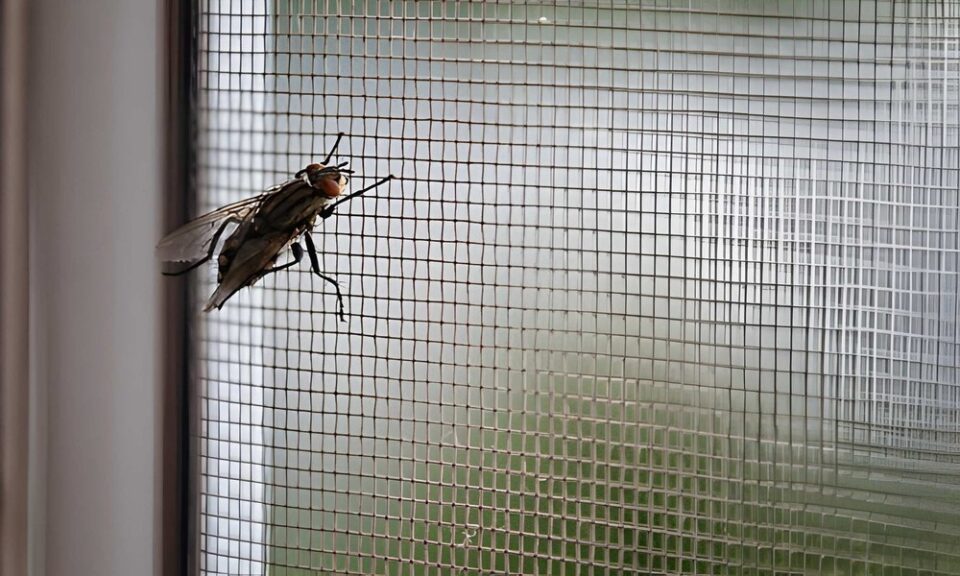
Buying a fly screen sounds like one of those quick, no-brainer decisions. You just pick something, stick it on, and done, right? Not quite true. Once you start exploring, the options multiply fast, and suddenly you are comparing mesh types at midnight. It is a bit chaotic, honestly. But getting it right makes a noticeable difference to your comfort at home.
Now, if you are wondering who provides quick delivery and fitting for made-to-measure fly screens? It is worth looking at Premier Screens Ltd. They focus on tailored solutions that actually fit your windows and doors properly, not “almost” fit. And that matters more than you would think.
A well-fitted screen:
- Keeps insects out without gaps
- Looks neat instead of makeshift
- Saves time during installation
It is just easier.
Start with What You Need
Before jumping into types and prices, pause for a moment. What are you actually trying to solve?
- Room type: Bedroom, kitchen, patio door?
- Usage: Occasional ventilation or daily airflow
- Budget: Temporary fix or long-term solution
- DIY vs professional: Be realistic here
A lot of buying guides highlight this step, and they are not wrong. Skipping it often leads to buying something that does not quite work.
Types of Fly Screens
Here is where most people get stuck. There is no single “best” option, and it depends on your setup.
- Magnetic / Stick-on Screens – Cheap, easy to install. But they wear out faster.
- Fixed Frame Screens – Strong and reliable for windows. Not ideal for doors, though.
- Retractable Screens – These are popular for a reason. They slide away when not needed and stay protected inside a casing.
- Chain or Curtain Screens – Mostly for doorways. Functional, but not exactly subtle.
You will probably find yourself leaning toward one pretty quickly.
Why People Actually Invest in Them
It is not just about avoiding flies buzzing around your head, though that alone is convincing.
A good fly screen:
- Improves airflow without inviting insects
- Reduces reliance on sprays or repellents
- Makes living spaces feel fresher
- Adds a bit of everyday convenience
Some sources even suggest that properly fitted screens can block the vast majority of insects. Which, when you think about it, is kind of impressive for such a simple addition.
Small Details That Matter More Than You Expect
This is the part people often overlook and regret later.
- Mesh quality – Standard, fine, or pet-resistant
- Frame material – uPVC vs aluminium
- Durability – Daily use can wear cheaper screens quickly
- Appearance – Some are nearly invisible, others less so
Retractable options tend to last longer since the mesh is not constantly exposed. That small design difference goes a long way.
Final Thoughts
At the end of the day, the “best” fly screen is not about price or popularity. It is all about fit, durability, and how well it suits your space.
When you choose the right one, you do not really think about it anymore. You just open the window, let the air in, and notice something missing. No flies, no hassle, and just quiet comfort.
