
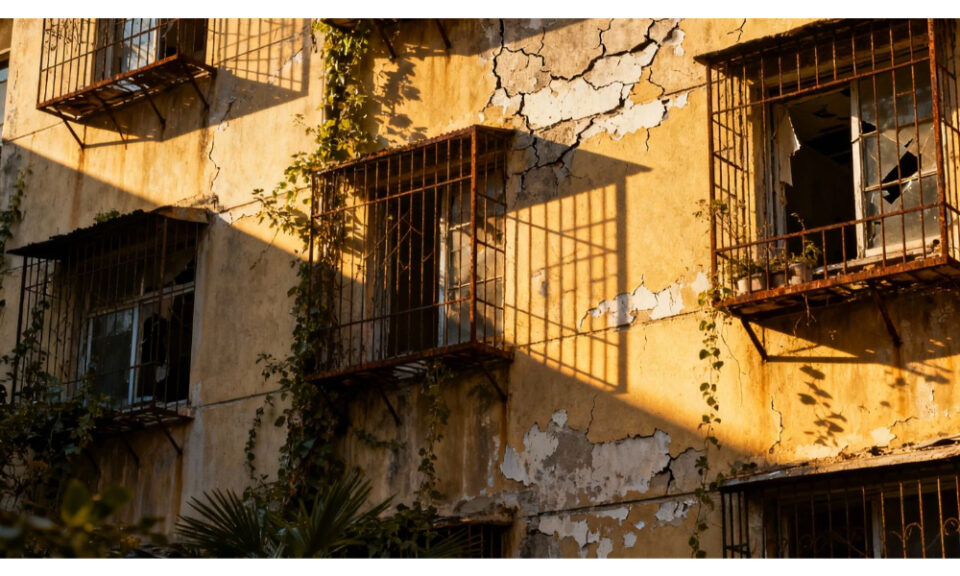
Many residents living in Navy apartment complexes may not realize the potential risks associated with asbestos. This material was once widely used in construction for its fire-resistant properties. However, when asbestos-containing materials degrade or are disturbed, they can release microscopic fibers into the air. Inhaling these fibers is the primary way exposure occurs, and it can happen without people even knowing it. The long-term health consequences of this exposure can be severe.
Common Locations of Asbestos in Navy Housing
Asbestos can be found in a surprising number of places within older housing structures. In Navy housing, which often dates back several decades, these materials might still be present. Some common areas include:
- Insulation: Pipe insulation, boiler insulation, and attic insulation often contained asbestos.
- Flooring: Vinyl floor tiles and the adhesive used to lay them can be sources.
- Ceilings: Acoustic ceiling tiles and textured paints or plasters used for decorative finishes.
- Walls: Some wallboard joint compounds and textured wall coverings.
- Roofing and Siding: Asbestos cement shingles and siding materials.
Routes of Asbestos Fiber Inhalation
Exposure to asbestos fibers primarily happens through breathing them in. This is not something you can see or smell, making it a silent danger. When materials containing asbestos are damaged, broken, or scraped, tiny fibers become airborne. Activities that might disturb these materials include:
- Renovation or repair work in the building.
- Natural wear and tear over time, especially in older buildings.
- Maintenance activities that involve drilling, cutting, or sanding.
Once airborne, these fibers can be inhaled and settle deep within the lungs. For those living in older Navy housing, understanding these potential sources is the first step in recognizing the risk. Many veterans are aware of the risks from their service, as asbestos was common on Navy ships.
Identifying Potential Asbestos Hazards
Spotting asbestos isn’t always straightforward, as it’s often mixed into building materials. However, certain signs might indicate a potential hazard. If you notice:
- Deteriorating or crumbling materials, especially in areas like basements or attics.
- Materials that look damaged, like cracked tiles or peeling insulation.
- Recent construction or renovation work that may have disturbed building materials.
It’s important to remember that visually identifying asbestos is difficult and often requires professional testing. If you suspect asbestos is present, it’s best not to disturb the material yourself. Instead, focus on reporting your concerns to the appropriate authorities or seeking professional advice.
Health Implications of Navy Apartment Complex Asbestos
Living in an apartment complex where asbestos materials have been disturbed can lead to serious health problems. These issues often don’t show up right away; they can take many years, even decades, to develop. The tiny asbestos fibers, once inhaled, can get lodged in the lungs and other parts of the body, causing damage that progresses over time. The latency period for asbestos-related diseases is a significant concern for residents.
Asbestosis and Its Symptoms
Asbestosis is a chronic lung disease caused by inhaling asbestos fibers. These fibers scar the lung tissue, making it harder for the lungs to function properly. Symptoms can include:
- Shortness of breath, especially during physical activity
- A dry cough that doesn’t go away
- Chest pain or tightness
- Crackling sounds when breathing
- Widening and rounding of the fingertips or toes (clubbing)
Over time, asbestosis can become debilitating, significantly impacting a person’s quality of life.
Mesothelioma: A Serious Asbestos-Related Cancer
Mesothelioma is a rare but very aggressive cancer that affects the lining of the lungs, chest, abdomen, or heart. It is almost exclusively caused by asbestos exposure. The disease is particularly insidious because it can take 20 to 50 years or more to develop after initial exposure. The prognosis for mesothelioma is often poor, making early detection and prevention critical.
Lung Cancer and Other Asbestos Diseases
Besides asbestosis and mesothelioma, asbestos exposure also increases the risk of developing lung cancer. Individuals who smoke and have been exposed to asbestos have a much higher risk of lung cancer than non-smokers exposed to asbestos or smokers not exposed to asbestos. Other conditions linked to asbestos exposure include pleural thickening and plaques, which are non-cancerous changes to the lining of the lungs but can still cause breathing problems.
Legal Rights for Residents Exposed to Navy Apartment Complex Asbestos
Living in Navy housing with asbestos can lead to serious health problems, and residents have rights when this happens. It’s important to know what steps can be taken if you or a family member has been exposed to asbestos in these residences. Establishing who is responsible for the exposure is a key part of any legal action.
Establishing Liability for Asbestos Exposure
Figuring out who is legally responsible, or liable, for asbestos exposure in Navy housing can be complex. Generally, liability can fall on several parties:
- The Navy or Department of Defense: As the owner and operator of the housing, they have a duty to provide safe living conditions. This includes managing known asbestos hazards.
- Contractors: Companies hired for construction, renovation, or maintenance of the housing may be liable if they disturbed asbestos-containing materials improperly or failed to follow safety regulations.
- Manufacturers of Asbestos Products: In some cases, the companies that originally produced and sold asbestos-containing building materials could be held responsible if they knew about the dangers and did not warn consumers.
Proving liability often requires showing that the responsible party knew or should have known about the asbestos hazard and failed to take reasonable steps to protect residents.
Statutes of Limitations for Asbestos Claims
There are time limits, called statutes of limitations, for filing asbestos-related legal claims. These deadlines vary significantly depending on the state and the specific circumstances of the exposure. For asbestos diseases, the clock usually starts ticking from the date the illness is diagnosed or when the person should have reasonably known their illness was related to asbestos exposure. Because asbestos-related illnesses can take many years to develop, these statutes are particularly important. Missing the deadline means losing the right to seek compensation. It is vital to consult with a legal professional promptly to understand the applicable time limits for your situation.
Seeking Compensation for Damages
Residents who have suffered health issues due to asbestos exposure in Navy housing may be entitled to compensation for various damages. The goal of seeking compensation is to help cover the costs and losses associated with the illness. These can include:
- Medical Expenses: This covers past, present, and future costs for treating asbestos-related diseases, including doctor visits, hospital stays, medications, and therapies.
- Lost Wages and Earning Capacity: Compensation can be sought for income lost due to the inability to work because of illness, as well as for any reduction in future earning potential.
- Pain and Suffering: This accounts for the physical pain, emotional distress, and loss of enjoyment of life that results from the asbestos-related disease.
- Wrongful Death: If an asbestos-related illness leads to a resident’s death, their surviving family members may be able to file a wrongful death claim to recover damages.
Navigating Legal Recourse for Navy Apartment Complex Asbestos Issues
Dealing with asbestos in your Navy housing can be overwhelming, and figuring out what to do next is a big step. It’s not just about the health worries; there are also legal avenues to consider if you’ve been exposed. This section breaks down how residents can approach these complex situations.
Consulting with Experienced Asbestos Attorneys
When you’re facing potential health issues from asbestos exposure, getting legal advice is important. Finding a lawyer who knows asbestos cases well is key. They can help you understand your rights and what steps to take.
- Look for lawyers with a history of handling asbestos claims, especially those involving military housing.
- Ask about their experience with cases similar to yours.
- Don’t hesitate to schedule initial consultations with a few different attorneys to find the best fit.
Gathering Evidence for Your Claim
To build a strong case, you’ll need to collect information. This evidence helps show that asbestos was present, that you were exposed, and that it caused harm.
- Documentation: Collect any records from your housing management, maintenance requests, or inspection reports that mention asbestos or related issues.
- Medical Records: Keep all your medical documents, including diagnoses, treatment plans, and doctor’s notes related to any respiratory or asbestos-related illnesses.
- Witnesses: Talk to neighbors or former residents who may have experienced similar issues or can corroborate your claims about the condition of the housing.
- Photographs/Videos: If possible and safe, document the condition of the housing where asbestos might be present.
Understanding Settlement vs. Litigation
When pursuing a legal claim, there are typically two main paths: settlement or litigation. Each has its own process and potential outcomes.
- Settlement: This involves negotiating with the responsible parties (or their insurance companies) to reach an agreement outside of court. Settlements can often resolve cases more quickly and with less stress than a trial.
- Litigation: If a settlement can’t be reached, the case may proceed to trial. This is a more formal legal process where a judge or jury decides the outcome. Litigation can take longer and may involve more significant legal costs.
Preventative Measures and Reporting Procedures
Residents of Navy apartment complexes play a role in maintaining a safe living environment, particularly concerning potential asbestos hazards. Being aware of the signs and knowing how to report concerns are key steps.
Resident Responsibilities in Identifying Risks
While professional assessments are necessary for definitive identification, residents can be observant. Look for signs of wear and tear in older buildings, such as crumbling insulation around pipes, damaged ceiling tiles, or deteriorating flooring. Any material that appears to be breaking down or releasing dust should be treated with caution. It’s not about becoming an expert, but about noticing changes that might indicate a problem.
Reporting Suspected Asbestos to Housing Management
If you suspect asbestos is present, the correct procedure is to report it promptly to the housing management or relevant Navy facilities department. Provide specific details about the location and appearance of the suspected material. Avoid disturbing the material yourself, as this can release fibers into the air. A formal report initiates the process for inspection and remediation if necessary.
The Role of Environmental Testing Services
Once a concern is reported, environmental testing services are typically engaged. These professionals use specialized equipment and methods to:
- Collect samples of suspect materials.
- Analyze these samples in a laboratory to determine the presence and type of asbestos.
- Assess the condition of the material and the potential for fiber release.
- Provide a detailed report outlining their findings and recommendations for remediation.
You May Also Like
• Mesothelioma Veterans Center
