
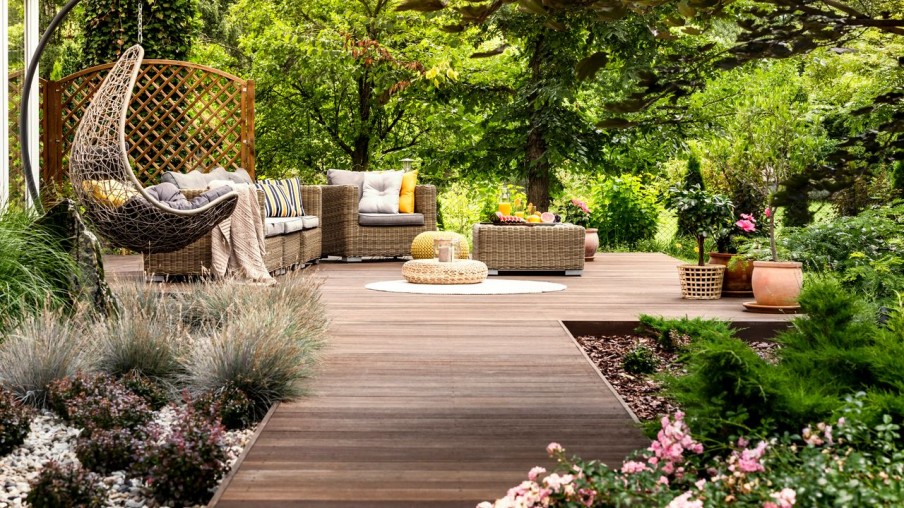
A well-designed adorn is more than just a platform ascribed to your home—it’s an extension of your living space that should flow easily into the surrounding landscape. When approved correctly, a deck can help along between architecture and character, creating a logical, inviting outside environment. But attaining that perfect balance demands more than picking the right decking material; it involves thoughtful preparation, design unity, and an understanding of how your deck interacts with the land around it.
Here’s by means of what you can favorably blend your deck following your landscape design for a combined, beautiful, and working outside space.
Understanding the Relationship Between Deck and Landscape
Your deck and your landscape endure, complement each other, not compete. The aim is to form the deck, choose a natural continuation of your playground rather than a confused structure. You can also visit https://decksforlife.ca/deck-builder-in-richmond-hill/ for hiring deck builders. Before construction begins, evaluate the overall layout:
- How does your courtyard slope?
- Where does sunlight fall during the day?
- Which views do you want to highlight—or conceal?
- What are the main movement pathways of the property?
By analyzing these pieces, you can plan a deck that integrates easily with allure surroundings while enhancing both beauty and utility.
Choose Materials That Complement Nature
The materials you select play an essential role in how well your adornment blends with the atmosphere.
• Wood for Natural Warmth
Choose stains that match the colors of nearby seedlings, soil, or stone pathways.
• Stone or Metal Accents
Incorporate natural stone or metal looks in railings, borders, or steps to reflect existing landscaping components. This creates visual progression and reinforces a united outdoor design.
Integrate Landscaping Around the Deck
A embellish looks most natural when it’s anchored by luscious, well-placed lawn.
• Planting Beds and Borders
Surround your deck accompanying planting beds filled accompanying shrubs, decorative grasses, or flowering vines. Use curved planting edges instead of straight lines to calm the deck’s appearance and create a smooth visual change.
• Trees for Shade and Structure
If space permits, position trees strategically about your deck for shade and solitude. Their canopy helps define the outdoor area while custody temperatures in the summer months.
Coordinate Color and Texture
A unified color palette ties your deck and landscape together.
• Echo normal hues:
Match decking colors to gravel walkways, garden walls, or family siding.
• Use composition intentionally:
Combine rough balances (like stone planters) with smooth deck surfaces for depth and interest.
• Balance contrast:
A bit of contrast can enhance design appeal—think dark railings against light decking, framed by plant life.
Avoid overly brilliant or artificial tones that disrupt the everyday flow of your outdoor scene.
Conclusion
A deck that blends elegantly with an attractive landscape turns your lawn into an alluring sanctuary—one where building and nature introduce perfect unity. By choosing basic materials, matching colors, softening edges, accompanying greenery, and joining rooms with contemplative design, you can construct an outdoor retreat that feels endless, cohesive, and particularly yours.
The best decks don’t just suppress the land—they grow from it. When you design accompanying your atmosphere in mind, your outdoor area becomes a reasonable extension of your home, reflecting both craftsmanship and a deep respect for the coarse beauty that surrounds it.
