
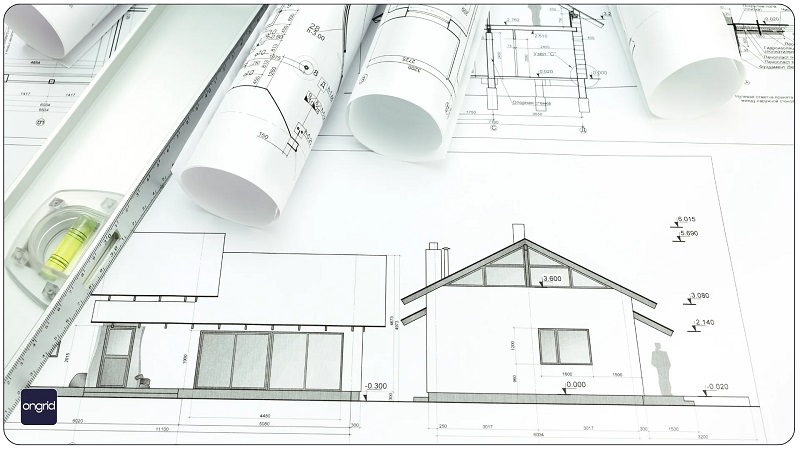
Creating a functional and aesthetically pleasing space requires careful planning and execution. For homeowners, understanding the architectural design process is crucial in achieving their desired outcomes.
With the help of professionals like Architectural Services Kent Ltd, homeowners can navigate this complex process with ease. Their expertise ensures that the final result is both beautiful and functional.
The architectural design process involves transforming a space to meet the homeowner’s needs, enhancing its usability and visual appeal. By understanding this process, homeowners can make informed decisions throughout their project.
Key Takeaways
- Understanding the architectural design process is vital for homeowners.
- Professional guidance from companies like Architectural Services Kent Ltd can simplify the process.
- A well-designed space enhances both functionality and aesthetic appeal.
- Homeowners should be involved in the design process to ensure their needs are met.
- A successful project requires careful planning and execution.
Introduction: From an Idea to a Set of Plans
Understanding the intricacies of the architectural design process can make a significant difference in the outcome of your project. It involves transforming your ideas into a tangible set of plans that meet your needs and comply with regulatory requirements.
The Importance of a Structured Design Process for a Successful Project
A structured design process is crucial for ensuring that your project is executed efficiently and effectively. It involves several key stages, from the initial consultation to the final technical design. By following this process, you can avoid costly mistakes and ensure that your project meets your expectations.
The benefits of a structured design process include:
- Clear Communication: Ensuring that all stakeholders are on the same page.
- Effective Planning: Anticipating and mitigating potential issues.
- Compliance: Ensuring that your project meets all relevant building regulations and planning requirements.
How a Professional Design Service Guides You Through Each Stage
A professional design service, such as Architectural Services Kent, plays a vital role in guiding you through the design process. They bring their expertise and experience to the table, helping you navigate the complexities of the process.
The key stages where a professional design service can provide valuable guidance include:
- Initial Consultation: Defining your project’s objectives and scope.
- Concept Design: Developing initial sketch schemes and layout options.
- Detailed Design: Creating formal drawings for your planning application.
By working with a professional design service, you can ensure that your project is well-planned, compliant with regulations, and meets your needs.
Stage 1: The Initial Brief and Feasibility Study
Embarking on a building design project begins with a thorough initial brief and feasibility study. This foundational stage is crucial for setting the project’s direction and ensuring its success.
Defining Your Vision: The First Consultation
The first consultation is a critical step where your vision is translated into a viable project plan. During this meeting, you will discuss your objectives, preferences, and requirements with the design team.
A clear understanding of your needs is essential for developing a design that meets your expectations. The consultation will cover various aspects, including the project’s scope, desired outcomes, and any specific design elements you wish to incorporate.
Setting a Realistic Budget and Timescale
Establishing a realistic budget and timescale is vital for the project’s feasibility. The design team will work with you to determine a budget that aligns with your expectations and the project’s requirements.
- Assessing the costs associated with the project, including materials and labour.
- Creating a project timeline that includes key milestones and deadlines.
By setting a realistic budget and timescale, you can ensure that your project remains on track and is completed within the anticipated timeframe and financial constraints.
Analysing Your Site and Its Potential
A thorough site analysis is conducted to assess the potential of your building site. This involves evaluating factors such as the site’s topography, environmental conditions, and existing infrastructure.
The analysis will help identify any challenges or opportunities that may impact the project’s design and feasibility. By understanding the site’s characteristics, the design team can develop a building design that is tailored to the site’s unique conditions.
Stage 2: Concept Design and Development
Developing a concept design is an iterative process that involves transforming the homeowner’s vision into a tangible plan. This stage is crucial as it sets the foundation for the entire project, ensuring that the final product meets the homeowner’s needs and expectations.
Initial Sketch Schemes and Layout Options
The concept design stage begins with the development of initial sketch schemes and layout options. These early designs are crucial in capturing the essence of the project and providing a starting point for further refinement. Designers work closely with homeowners to understand their preferences and requirements, ensuring that the initial sketches align with their vision.
During this phase, multiple layout options are explored, allowing homeowners to compare different approaches and select the one that best suits their needs. This process involves considering various factors, including the site’s topography, natural light, and existing architectural features.
Using 3D Models and Visualisations
To enhance the design process, 3D models and visualisations are utilised to bring the concept designs to life. These visual tools enable homeowners to better understand the proposed design and its spatial relationships, making it easier to identify potential issues and opportunities.
3D models and visualisations also facilitate communication between homeowners and designers, ensuring that everyone involved in the project is on the same page. By exploring the design in a more immersive and interactive way, homeowners can provide more informed feedback, leading to a more refined and effective design.
Refining the Concept Based on Feedback
The concept design is refined based on the homeowner’s feedback, incorporating any changes or adjustments required. This iterative process continues until the design meets the homeowner’s expectations and is deemed suitable for progression to the next stage.
Throughout this stage, the design team works closely with the homeowner to ensure that the final concept design is both functional and aesthetically pleasing, laying a solid foundation for the construction phase of the project.
Stage 3: Detailed Design for Planning Submission
The detailed design stage is a crucial phase in the architectural design process, laying the groundwork for a successful planning application. At this stage, the initial concept is refined, and the plans are meticulously prepared for submission to the local planning authority.
Creating the Formal Drawings for Your Planning Application
The formal drawings are a critical component of the planning application, providing a comprehensive visual representation of the proposed development. These drawings typically include site plans, floor plans, elevations, and cross-sections, all of which must be accurately scaled and detailed.
Key elements of the formal drawings include:
- Site boundaries and neighbouring properties
- Proposed building footprint and layout
- Elevations showing the external appearance
- Cross-sections illustrating the internal layout
Preparing the Design and Access Statement
A Design and Access Statement is a written document that accompanies the planning application, explaining the design principles and concepts that have been applied. It provides context for the proposed development, including the site’s characteristics, the surrounding area, and how the design addresses accessibility and sustainability.
| Component | Description |
| Site Analysis | An assessment of the site’s conditions, including topography, orientation, and existing features. |
| Design Principles | An explanation of the design decisions made, including the choice of materials, layout, and architectural style. |
| Access and Movement | A description of how the design addresses accessibility, including pedestrian and vehicular access. |
Finalising the External Materials and Appearance
The external materials and appearance of the proposed development play a significant role in determining its visual impact on the surrounding area. The choice of materials, colour palette, and architectural detailing must be carefully considered to ensure that the development is in keeping with its context.
Considerations for external materials and appearance include:
- Selecting materials that are durable and sustainable
- Ensuring the colour palette complements the local environment
- Incorporating architectural detailing that enhances the building’s aesthetic appeal
Stage 4: Technical Design for Building Regulations
Technical design for building regulations is a pivotal stage that requires precision and coordination among various stakeholders. This stage is crucial for ensuring that the design complies with the relevant building regulations and standards.
Producing Technical Drawings and Construction Details
The production of technical drawings and construction details is a fundamental aspect of the technical design stage. These drawings provide a comprehensive outline of the building’s design, including its structural elements, services, and other critical components.
Key elements of technical drawings include:
- Detailed floor plans and elevations
- Cross-sections and structural details
- Specifications for materials and finishes
| Drawing Type | Description | Importance |
| Floor Plans | Detailed layout of each floor | Essential for understanding the building’s layout |
| Elevations | External views of the building | Critical for assessing the building’s external appearance |
| Cross-Sections | Sections through the building | Vital for understanding the building’s structure and construction |
Coordinating with Structural Engineers and Other Consultants
Coordination with structural engineers and other consultants is vital during the technical design stage. This ensures that all aspects of the building’s design are properly integrated and comply with relevant regulations.
For more information on the RIBA Stage 4 process, visit https://urbanistarchitecture.co.uk/riba-stage-4/.
Creating a Specification for Building Control Approval
Creating a comprehensive specification is essential for obtaining building control approval. This document outlines the materials, construction methods, and other relevant details that will be used during the construction process.
The specification should include:
- Materials and finishes
- Construction methods and standards
- Compliance with relevant building regulations
Conclusion: The Foundation of a Well-Executed Building Project
A well-planned architectural design process is crucial for the success of a construction project. As outlined in this guide, a structured process ensures that all aspects of the project are considered, from initial consultation to final technical design.
By engaging professional architectural services, homeowners can benefit from expert guidance throughout each stage of the project. This not only helps to avoid potential pitfalls but also ensures that the final result meets their expectations and is compliant with relevant regulations.
The importance of a thorough construction plan cannot be overstated. It provides a clear roadmap for the project, helping to prevent delays and cost overruns. A well-executed building project is the result of careful planning, coordination, and attention to detail.
In conclusion, a successful construction project relies on a solid foundation of architectural design and meticulous planning. By understanding the stages involved and working with experienced professionals, homeowners can achieve their vision and enjoy a successful outcome.
FAQ
What is the architectural design process, and why is it important for homeowners?
The architectural design process is a structured approach to transforming a space, from initial consultation to technical design. It is crucial for homeowners as it ensures a successful construction project that meets their needs and complies with building regulations. Architectural Services Kent Ltd can guide homeowners through this process.
What happens during the initial consultation stage?
During the initial consultation, homeowners discuss their vision, budget, and requirements with the architectural service provider. This stage is essential for defining the project’s scope and feasibility.
How does the concept design stage contribute to the overall project?
The concept design stage involves developing initial sketch schemes, using 3D models, and refining the design based on homeowner feedback. This stage is critical for creating a design that meets the homeowner’s needs and expectations.
What is involved in the detailed design stage for planning submission?
The detailed design stage involves creating formal drawings, preparing the design and access statement, and finalising external materials. This stage is essential for a successful planning application.
How does the technical design stage ensure compliance with building regulations?
The technical design stage involves producing technical drawings, coordinating with structural engineers, and creating a specification for building control approval. This stage is critical for ensuring that the project complies with building regulations and is well-executed.
What are the benefits of working with a professional architectural service like Architectural Services Kent Ltd?
Working with a professional architectural service like Architectural Services Kent Ltd ensures that homeowners receive expert guidance throughout the design process, resulting in a well-executed building project that meets their needs and complies with relevant regulations.
How does the architectural design process impact the construction phase?
A well-planned architectural design process ensures that the construction phase runs smoothly, with minimal delays or changes. This is because the design has been thoroughly developed and refined, reducing the risk of errors or omissions during construction.
What role does site analysis play in the architectural design process?
Site analysis is a crucial stage in the architectural design process, as it involves assessing the site’s potential, constraints, and opportunities. This information is used to inform the design and ensure that it is tailored to the site’s specific conditions.
