
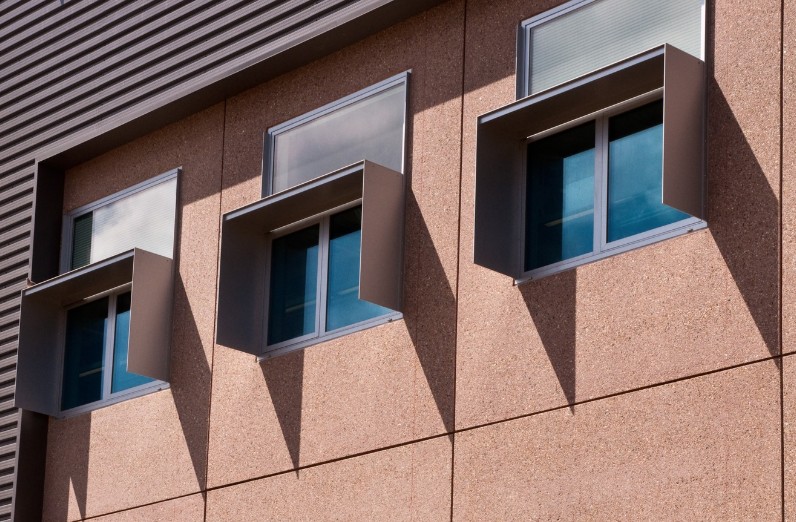
Introduction: What Are Overhanging Windows?
Overhanging windows, known as överhängda fönster in Swedish, are a unique window design that pivots outward from the top or bottom to create a slanted opening. This structure allows for ventilation and weather protection simultaneously. Overhanging windows have gained popularity across both traditional Scandinavian architecture and modern housing due to their blend of form and function.
In this guide, we’ll explore what överhängda fönster are, their types, uses, materials, energy benefits, and how they compare to other window styles. Whether you’re remodeling your home or designing a new one, overhanging windows may be the perfect solution for a stylish yet functional upgrade.
What Makes Överhängda Fönster Unique?
The defining characteristic of överhängda fönster is their pivoting mechanism. Unlike sliding or casement windows, overhanging windows typically open outward at an angle—either from the top (top-hung) or the bottom (bottom-hung). This provides several key benefits:
- Continuous ventilation without allowing rain or snow to enter.
- Improved security as the window opens only at an angle.
- Architectural elegance, especially in minimalist or Nordic designs.
Their ability to combine aesthetics with practicality is what makes överhängda fönster an increasingly popular choice in both residential and commercial buildings.
Types of Overhanging Windows
There are two primary types of överhängda fönster:
1. Top-Hung Overhanging Windows
These windows pivot from the top and open outward at the bottom. They are ideal for upper-floor installations and provide excellent rain protection.
Advantages:
- Allows fresh air in while keeping out rain.
- Great for privacy and security.
- Suitable for hard-to-reach areas.
2. Bottom-Hung Overhanging Windows
These pivot from the bottom and tilt inward at the top. They are commonly used in basements, bathrooms, or areas where outward opening isn’t practical.
Advantages:
- Good for small spaces.
- Prevents outside elements from entering.
- Offers safe ventilation in rooms used by children or pets.
Benefits of Installing Överhängda Fönster
Installing överhängda fönster can greatly enhance your property in several ways:
1. Enhanced Airflow
Overhanging windows create a chimney-like ventilation system, allowing hot air to escape and cool air to enter. This natural air circulation improves indoor air quality.
2. Weather Protection
Their design allows the window to remain open during rain or snow without allowing water inside. This is especially beneficial in Nordic and temperate climates.
3. Increased Energy Efficiency
Many överhängda fönster are built with double or triple glazing, which reduces heat loss and enhances insulation. When paired with weather-tight seals, they help lower your heating and cooling costs.
4. Modern Aesthetic Appeal
The clean lines and subtle opening angle of overhanging windows blend seamlessly with both modern and traditional architecture, especially in Scandinavian-inspired homes.
5. Improved Security
Because of the limited opening angle, överhängda fönster are less vulnerable to break-ins compared to fully openable window types like sliding or casement windows.
Ideal Areas to Use Överhängda Fönster
Overhanging windows work well in a variety of applications. Here are some common placements:
- Bathrooms – for safe, continuous ventilation with privacy.
- Attics – top-hung versions provide airflow without risking rain leaks.
- Basements – bottom-hung styles offer ventilation without ground-level exposure.
- Kitchens – allows smoke and heat to escape while maintaining aesthetics.
- Hallways and stairwells – useful for passive cooling and daylight.
Materials Used in Överhängda Fönster
Just like other types of windows, överhängda fönster come in a variety of materials. Each has its advantages:
1. PVC (Polyvinyl Chloride)
- Benefits: Low maintenance, cost-effective, energy-efficient.
- Best for: Modern homes with minimal design aesthetics.
2. Wood
- Benefits: Natural insulation, beautiful finish, traditional appeal.
- Best for: Classic, rustic, or heritage-style buildings.
3. Aluminum
- Benefits: Sleek appearance, strength, corrosion resistance.
- Best for: Contemporary, commercial, or industrial buildings.
4. Wood-Aluminum Hybrid
- Benefits: Combines wood’s insulation with aluminum’s durability.
- Best for: High-performance, premium residential projects.
Overhanging Windows vs Other Window Types
| Feature | Överhängda Fönster (Overhanging) | Casement Windows | Sliding Windows | Fixed Windows |
| Ventilation | Excellent | Good | Moderate | None |
| Weather Protection | High | Moderate | Low | High |
| Security | High | Moderate | Low | High |
| Ease of Maintenance | Easy | Moderate | High | Low |
| Aesthetic Compatibility | High (Modern & Classic) | High | Moderate | High |
| Opening Mechanism | Pivoted outward/inward | Hinged outward | Slides sideways | Fixed |
As seen in the table, överhängda fönster offer a balanced mix of advantages that many homeowners and architects prefer.
Choosing the Right Överhängda Fönster for Your Home
When choosing overhanging windows, consider the following factors:
1. Location & Function
Determine which rooms will benefit most from ventilation, privacy, or protection. Bathrooms, kitchens, and attic spaces are ideal starting points.
2. Glazing & Insulation
Opt for double or triple-glazed windows to maximize energy efficiency. Look for low-emissivity coatings (Low-E) for improved insulation.
3. Frame Material
Match your window frame with the style and functional requirements of your home. PVC is ideal for low-maintenance needs, while wood adds elegance.
4. Opening Direction
Choose top-hung for rain-prone areas and bottom-hung for spaces with limited exterior clearance.
5. Security Features
Look for lockable handles, reinforced frames, and limited-opening hardware if safety is a concern—especially for ground-floor installations.
Installation & Maintenance Tips
Installation
Professional installation is highly recommended for överhängda fönster to ensure air-tight sealing, precise alignment, and structural safety.
Tips:
- Ensure proper waterproofing of frames.
- Use rust-proof hinges and hardware.
- Account for ventilation and thermal bridging.
Maintenance
- Clean regularly with mild soap and water.
- Lubricate hinges and moving parts annually.
- Inspect for air leaks or damaged seals every season.
- Repaint or refinish wooden frames every few years.
Sustainability and Eco-Friendliness
Överhängda fönster align with green building practices. When made from sustainable materials (like FSC-certified wood) and equipped with energy-efficient glazing, these windows reduce environmental impact by:
- Lowering energy consumption.
- Reducing reliance on artificial cooling or heating.
- Increasing indoor comfort with passive ventilation.
Trends in Overhanging Window Design
As home architecture evolves, överhängda fönster are being reinvented with:
- Smart glass technology that adjusts tint automatically.
- Minimalist black frames for modern interiors.
- Integrated insect screens and blinds.
- Motorized opening mechanisms with remote or app control.
- Panoramic installations using multiple overhanging windows side by side.
These trends reflect the demand for not just functionality, but also style, comfort, and automation.
Conclusion: Is Överhängda Fönster the Right Choice?
Overhanging windows—or överhängda fönster—are more than just a design trend. They’re a smart, stylish, and functional choice for modern homes and buildings. From superior ventilation to weather resistance and sleek aesthetics, these windows offer a complete package.
Whether you’re building new or upgrading an older home, överhängda fönster can enhance your living space with their clever design and long-term benefits. Be sure to consult with a professional to choose the right type, size, and material that fits your home’s unique needs.
FAQs About Överhängda Fönster
Q1: Can överhängda fönster be installed in any home?
Yes, they are versatile and can be adapted to most architectural styles, though professional consultation is advised for structural compatibility.
Q2: Are they expensive compared to regular windows?
They may cost slightly more than basic fixed or sliding windows but offer added benefits like energy savings and enhanced durability.
Q3: Are överhängda fönster suitable for high-rise buildings?
Yes, especially top-hung models, which prevent rain from entering even at high elevations.
Q4: Can I customize the frame color and glass type?
Absolutely. Most manufacturers offer a wide range of finishes, glass types, and handle options.
