
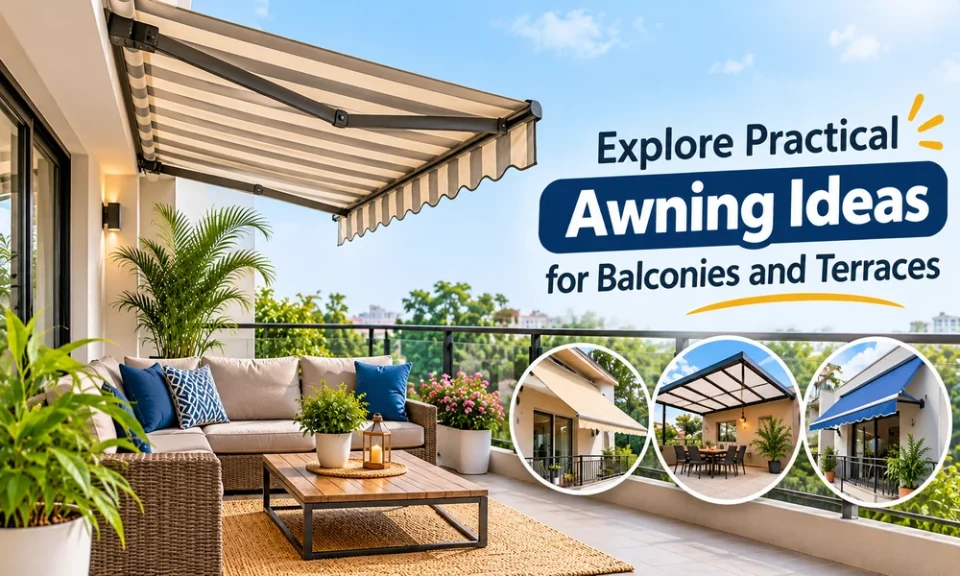
A balcony or terrace can be more than an open area attached to your home. It can become a relaxing corner for morning coffee, evening conversations, or simply enjoying some fresh air. However, direct sunlight, heat, and changing weather can sometimes make these spaces less comfortable. This is where awnings for balcony and terrace spaces can make a practical difference. They provide shade, help manage sunlight, and add a finishing touch to outdoor areas. With different designs, fabrics, and operating options available, choosing the right awning can help you make better use of your outdoor space.
Why Are Awnings a Useful Addition to Outdoor Spaces?
Outdoor spaces are exposed to changing weather conditions throughout the year. During warmer months, strong sunlight can make balconies uncomfortable, while occasional rain may limit how often you use the space. An appropriately selected awning provides overhead coverage and helps create a more usable outdoor setting.
Apart from providing shade, awnings can also reduce the amount of direct sunlight entering through nearby windows. This may help limit indoor heat gain, depending on the direction of sunlight, window placement, and awning design. They can also protect outdoor furniture and decorative accessories from prolonged sun exposure.
For homeowners looking for practical balcony awning ideas, the key is to find a design that balances coverage, appearance, and everyday convenience.
Different Awning Options for Balconies and Terraces
Not every outdoor space needs the same type of shade solution. The available installation area, sunlight direction, and preferred appearance should influence your choice.
Retractable Awnings for Flexible Shade
Retractable balcony awnings are useful when you want control over how much sunlight reaches your outdoor area. They can be extended when shade is needed and folded back when you prefer an open space.
These awnings work particularly well for balconies and terraces where sunlight changes throughout the day. Manual versions are operated using a crank, while motorised options offer push-button convenience. Retractable designs are worth considering when flexibility is an important part of your outdoor setup.
Fixed Awnings for Consistent Coverage
Fixed awnings remain in position and provide continuous shade over a selected area. They can be suitable for spaces where sunlight exposure is relatively consistent and regular overhead coverage is preferred.
Their installation requires careful planning because the structure needs appropriate support. The mounting surface, dimensions, and expected weather exposure should be assessed before installation.
Motorised Awnings for Added Convenience
Motorised awnings allow users to extend or retract the covering with a remote control or wall switch. Some models also offer weather sensors, depending on the system.
They can be a convenient option for larger terraces or outdoor seating areas where manually operating an awning may be less practical. However, electrical requirements, maintenance, and installation costs should be considered before choosing this option.
How to Choose the Right Awning for Your Space
Selecting an awning involves more than matching its colour with your exterior walls. A design that looks attractive but provides insufficient coverage may not serve its purpose effectively.
Start by observing how sunlight enters your balcony or terrace. South- and west-facing spaces, for example, may receive stronger afternoon sunlight in many locations. Measure the available installation area and identify any restrictions created by railings, windows, doors, or overhead structures.
Consider these important factors before making a decision:
- Size and coverage: Choose dimensions that provide sufficient shade without blocking necessary access or ventilation.
- Fabric quality: Look for durable, UV-resistant and suitable weather-resistant awning fabrics.
- Operating mechanism: Decide between manual, retractable, fixed, and motorised options based on convenience.
- Mounting requirements: Check whether your wall or ceiling can safely support the installation.
- Appearance: Select a colour and design that complements your building’s exterior.
- Weather conditions: Consider local wind, rainfall, and sun exposure when selecting the structure.
Taking these factors into account can help you find a solution that works for your property’s layout and everyday requirements.
Make Your Balcony and Terrace More Inviting
A well-planned awning can become part of the overall outdoor design rather than simply serving as a shade covering. You can combine it with comfortable seating, potted plants, outdoor lighting, and a small table to create a welcoming environment.
For example, a neutral-coloured awning can complement wooden furniture and green plants, while a more contemporary design may work well with minimalist outdoor decor. Homeowners exploring terrace shade solutions can also consider how the awning coordinates with flooring, railings, and exterior finishes.
When exploring outdoor design options from brands such as Lusso Decor, it is worth considering how an awning can complement other window coverings and interior elements. This helps create a more connected appearance between indoor and outdoor living spaces.
Simple Tips to Maintain Your Awning
Regular maintenance can help preserve the appearance and functionality of an awning. Dust, leaves, moisture, and environmental deposits can gradually affect the fabric and moving components.
A few simple practices can make routine maintenance easier:
- Remove loose dust and debris using a soft brush.
- Clean the fabric according to the manufacturer’s instructions.
- Allow wet fabric to dry properly before retracting it, where possible.
- Inspect brackets, joints, and operating mechanisms periodically.
- Avoid operating the awning during strong winds or severe weather.
- Arrange professional servicing if the frame or motor shows signs of damage.
These precautions are especially important for outdoor structures that experience frequent exposure to changing weather.
Conclusion
A balcony or terrace becomes more enjoyable when it offers the right balance of shade, comfort, and design. From fixed coverings to flexible retractable and motorised options, there are several ways to make outdoor spaces more functional. Choosing suitable awnings for balcony and terrace areas starts with understanding your space, checking installation requirements, and selecting durable materials. With thoughtful planning and regular maintenance, an awning can become a practical addition to your outdoor living area.
