
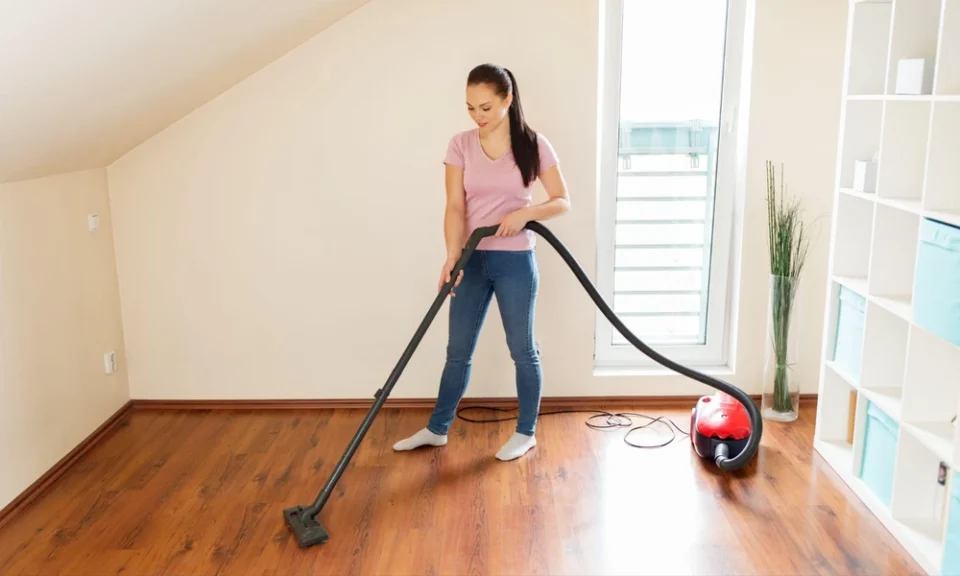
Moving-out cleaning and post-renovation cleaning are both detailed forms of property cleaning, but they address different situations. Moving-out cleaning focuses on preparing a property after occupants remove their belongings, while post-renovation cleaning deals with dust, debris and residue left by renovation or construction work.
Understanding the distinction can help property owners and tenants determine which type of cleaning is appropriate. The required tasks depend mainly on the condition of the property and the activities that took place before cleaning.
What Is Moving-Out Cleaning?
Moving-out cleaning is carried out when occupants are leaving a home or rental property. Its purpose is to clean areas used during the occupancy period and prepare the property for handover, inspection or its next occupants.
A moving-out cleaning service in Singapore may cover different tasks depending on the provider and property. Common areas of attention include:
- Floors, including vacuuming, sweeping and mopping
- Kitchen worktops, sinks and accessible surfaces
- Bathrooms, toilets, showers and fittings
- Cabinets, shelves and drawers where included
- Doors, frames, switches and other frequently touched surfaces
- Dust on accessible ledges, fixtures and fittings
- Interior areas that become accessible after furniture is removed
Moving-out cleaning is often associated with rental handovers. However, tenants should check their tenancy agreement and property condition requirements rather than assume that a particular cleaning package will satisfy every handover obligation.
End-of-tenancy cleaning services may also involve more detailed cleaning than routine housekeeping because previously covered or inaccessible spaces become visible once belongings have been removed. The exact scope should therefore be confirmed before cleaning begins.
In summary, moving-out cleaning addresses dirt and residue associated mainly with normal occupancy. Post-renovation cleaning has a different focus because renovation work can introduce construction-related contaminants.
What Is Post-Renovation Cleaning?
Post-renovation cleaning takes place after renovation, refurbishment or similar building work. It focuses on removing dust and residues generated by activities such as drilling, sanding, cutting, painting and installation.
Fine dust can settle on floors, walls, ledges and fittings, including areas some distance from the immediate work zone. Cleaning may therefore need to cover a wider range of surfaces than ordinary household cleaning.
Typical post-renovation tasks can include:
- Removing loose dust from surfaces and fittings
- Vacuuming and cleaning floors
- Wiping doors, windowsills, cabinets and built-in fixtures
- Cleaning dust from corners, edges and other affected areas
- Removing appropriate non-hazardous renovation debris
- Addressing paint, adhesive or similar residues where they can be safely removed
- Repeating dust removal where fine particles remain after an initial clean
Post-renovation cleaning should generally begin after the relevant renovation work has finished. This reduces the likelihood of freshly cleaned surfaces being contaminated again by continuing work.
Overall, this type of cleaning deals primarily with the effects of renovation rather than everyday occupation. This difference in purpose also affects the cleaning methods, workload and areas requiring attention.
The clearest distinction is the source of the dirt being removed. Moving-out cleaning primarily deals with accumulated household dirt, while post-renovation cleaning targets dust and residue generated by building or refurbishment work.
| Area | Moving-Out Cleaning | Post-Renovation Cleaning |
| Main purpose | Prepare a property after occupants leave | Clean a property after renovation work |
| Typical dirt | Dust, grease, soap residue and everyday grime | Fine dust and renovation-related residue |
| Timing | Before or around property handover | After renovation work is completed |
| Main focus | Previously occupied areas | Renovation-affected surfaces and spaces |
| Cleaning approach | Detailed household cleaning | Thorough dust and residue removal |
The two services can sometimes be relevant to the same property. For example, a property that has undergone renovation shortly before a tenancy ends may contain both normal household dirt and renovation-related dust.
A moving-out cleaning service should not automatically be assumed to include post-renovation work. Likewise, post-renovation cleaning may not include every task normally associated with a rental handover.
The practical difference therefore lies in purpose, contamination type and scope. Confirming these points helps determine which cleaning approach is appropriate.
How Should You Prepare for Moving-Out or Post-Renovation Cleaning?
Preparation allows cleaners to access the areas that require attention and helps establish the expected scope before work begins. The appropriate steps depend on whether the property has been occupied, renovated or both.
Before moving-out cleaning:
- Remove personal belongings where possible.
- Empty cabinets and storage spaces that need cleaning.
- Identify areas previously blocked by furniture.
- Check any cleaning requirements stated in the tenancy agreement.
- Confirm what is included in end-of-tenancy cleaning services.
Before post-renovation cleaning:
- Ensure relevant renovation work has been completed.
- Arrange for contractors to remove construction materials and major debris where required.
- Identify surfaces affected by paint, adhesive or fine dust.
- Confirm whether specialist residue removal is included.
- Inform the cleaning provider about newly installed or delicate surfaces requiring appropriate cleaning methods.
In both cases, the cleaning scope should be agreed in advance. Moving-out cleaning is centred on preparing an occupied property for handover, whereas post-renovation cleaning is centred on removing the effects of renovation work.
Visit Doctor Clean and let us help you ensure that everyday grime, hard-to-reach areas and renovation residue are addressed before the property’s next use.
