
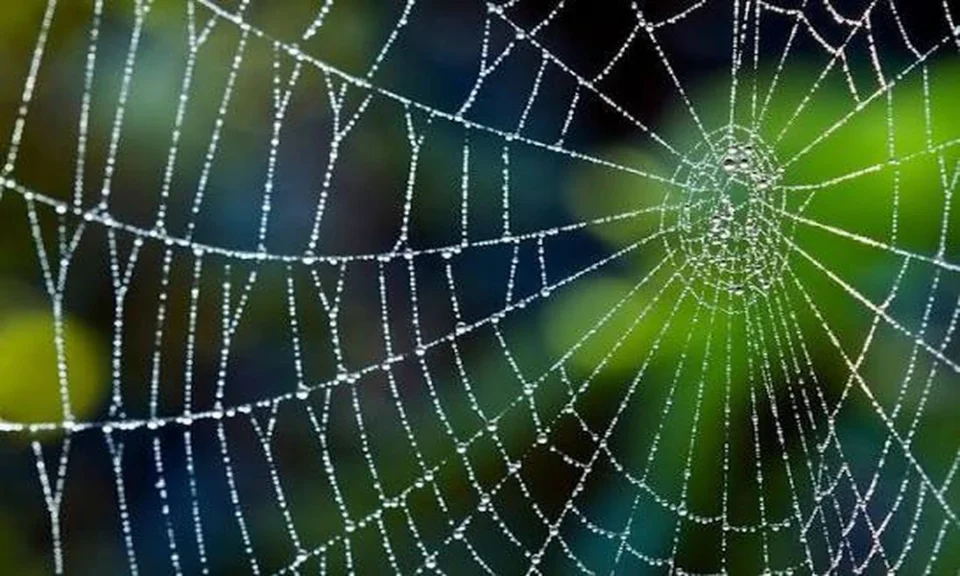
Heavy rain can change what a homeowner notices around the house, and spiders are often part of it. Water disturbs the spiders living close to the ground, while wet debris and vegetation give the insects they hunt more places to gather. That can make spider activity appear heavier after a storm even when the rain did not start a new problem.
Whether a few spiders after a storm are a reason for concern depends on where they are found and whether the activity continues. Homeowners can find Palisade Pest Control’s residential spider services here, though where the spiders gather is usually the first thing to check.
Why Rain Pushes Spiders Toward the House
Spiders that live outdoors are disturbed when heavy rain soaks the ground. Water reaches the sheltered spaces under vegetation, leaf litter, and mulch where they usually stay, and some move toward higher, drier footing that can bring them up against foundations, siding, and porches. Heavy rain can push ground-dwelling spiders toward foundations and siding, and some may enter if they find an opening. Gutters, shutters, and other protected spots can also draw them in after a storm. Where the spiders gather usually means more than how many appear right after one rain.
The Yard Draws Their Prey
Rain also stirs up the insects and other small creatures spiders hunt. Wet vegetation, leaf litter, and storm debris shelter that prey, and as it becomes active around the property, the spiders follow the food. The prey collects in a few predictable places.
- Dense shrubs close to exterior walls
- Mulch and leaf litter beside the foundation
- Wood piles and stored outdoor materials
- Spaces beneath decks and porches
- Exterior lights where flying insects collect
A few webs in these areas after heavy rain do not necessarily mean there is a problem inside the house.
When Spiders Come Indoors
An occasional spider indoors is different from the same activity appearing again and again. Some outdoor spiders wander in by accident, while others enter through gaps around doors, windows, and vents. If they begin appearing in the same rooms after storms, check those openings, along with garages, basements, crawl spaces, and rooms against exterior walls. Keeping a damaged screen or a gap under a door in good repair also makes it clearer whether the activity is coming from outside.
One Spider, or a Pattern?
Seeing one spider after a storm is usually not a sign of an infestation. Spiders are common around homes. Most of them are harmless, and they do some good by feeding on other insects. Repeated activity deserves more attention, especially webs that keep returning to the same windows, porches, or garage corners, which can mean the property is supporting a steady food source. The type of spider matters as well. A few species can deliver medically significant bites, so it is best to avoid handling any spider you cannot identify and to seek a professional identification when you are unsure.
What to Check After the Rain
A short walk around the property after a storm usually shows why spiders are gathering in one spot. A few checks point to the reason.
- Water collecting near the foundation
- Vegetation touching the exterior walls
- Storm debris piled up in sheltered areas
- Window screens, door seals, and vents that could let spiders in
Clearing debris and keeping plants off the structure removes some of the cover that spiders and their prey use. Heavy rain explains why spiders become easier to notice, but it does not explain every recurring problem. If they keep coming back indoors after the property dries, or the webs return to the same places, the rain has likely exposed something already there, such as a gap in the structure, sheltered vegetation, or outdoor lighting that draws insects. When the activity keeps returning, tracing it back to the shelter, food, or access nearby tells a homeowner far more than the storm itself.
