
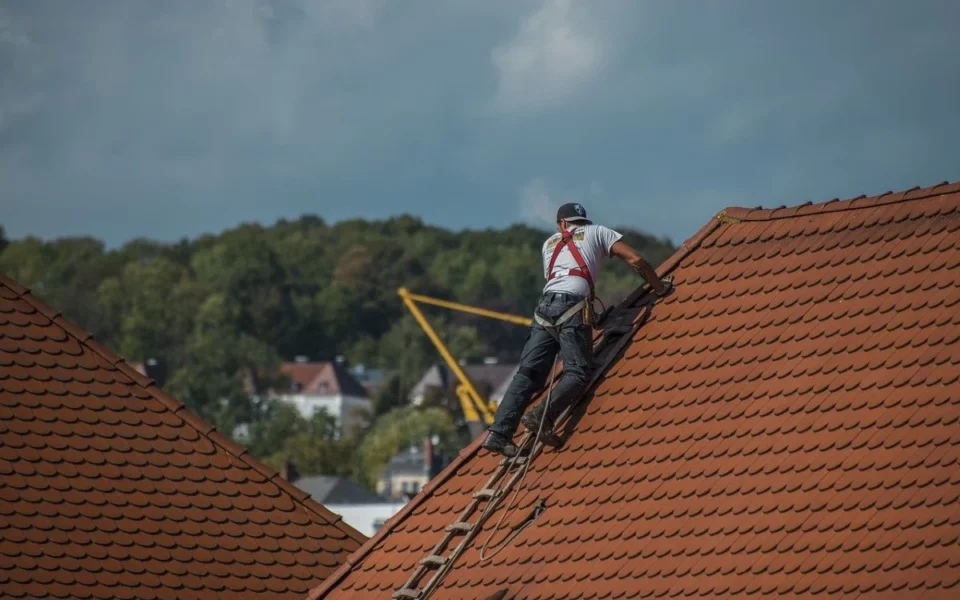
Proper roof maintenance extends lifespan by decades when performed consistently and correctly. Regular care prevents minor issues from becoming expensive replacements while protecting your home’s structural integrity. roofing services highlight how preventive care supports long-term roof durability and performance. Consistent attention to your roof’s condition saves thousands of dollars in premature replacement costs.
Regular inspection routines
- Monthly visual inspections help identify problems before they escalate into major damage. Walk around your home’s perimeter, looking for loose, missing, or damaged shingles. Check for granule accumulation in gutters, which indicates shingle deterioration.
- Biannual detailed inspections should occur in spring and fall. Examine flashing around chimneys, vents, and skylights for cracks or separation. Look for exposed nail heads that may allow water penetration. Document any changes with photos to track deterioration patterns over time.
- Interior inspections reveal problems that are not visible from the outside. Check attic spaces for water stains, daylight coming through the roof boards, or moisture accumulation. Dark spots on ceilings inside your home often indicate active leaks requiring immediate attention.
- Use binoculars for safer roof inspections rather than climbing. Professional inspections every three years provide expert assessment of conditions not easily visible to untrained eyes.
Gutter cleaning essentials
- Clean gutters twice yearly to prevent water backup that damages roof edges and fascia boards. Clogged gutters force water to pool against roof materials, causing premature deterioration and potential leaks.
- Remove all debris, including leaves, twigs, and sediment buildup. Flush gutters with water to check proper drainage flow toward downspouts. Repair loose gutter brackets and replace damaged sections promptly.
- Install gutter guards to reduce cleaning frequency while maintaining proper water flow. Trim overhanging tree branches that drop excessive debris into gutter systems. Ensure downspouts direct water at least six feet away from foundation walls.
- Check the gutter slope during cleaning to ensure proper drainage. Improper slope causes standing water that attracts mosquitoes while unnecessarily stressing gutter materials.
Debris removal practices
- Keep roof surfaces clean by removing leaves, branches, and other debris regularly. Accumulated debris traps moisture against roofing materials, promoting rot and deterioration. Pay special attention to valleys where debris naturally collects.
- Clean around roof penetrations like vents, chimneys, and satellite dishes where debris often accumulates. Use soft brushes or leaf blowers rather than pressure washers that can damage shingles or force water under roofing materials.
- Trim tree branches hanging within six feet of the roof surfaces. Overhanging branches drop debris while potentially damaging shingles during storms. Remove moss growth immediately, as it retains moisture and lifts shingles.
- Schedule debris removal after major storms when wind may deposit unusual amounts of material on roof surfaces. Quick removal prevents staining and reduces moisture retention, which accelerates material breakdown.
Weather protection steps
- Apply roof sealant around penetrations and flashing annually to maintain watertight seals. Choose high-quality sealants designed for your specific roofing material and climate conditions. Remove old, cracked sealant before applying fresh material.
- Install ice dam prevention systems in cold climates where freeze-thaw cycles create problems. The proper ventilation and insulation of the attic prevent ice dams that can force water under shingles. Heat cables provide additional protection in extreme conditions.
- Check and replace damaged or missing shingles immediately after storms. An exposed roof deck allows moisture penetration that damages underlying structures.
Consistent roof maintenance requires dedication but pays dividends through extended lifespan and reduced replacement costs. Proactive care prevents small problems from becoming major expenses while maintaining your home’s protection and value. Regular attention to these maintenance practices can double or triple your roof’s expected lifespan.
