
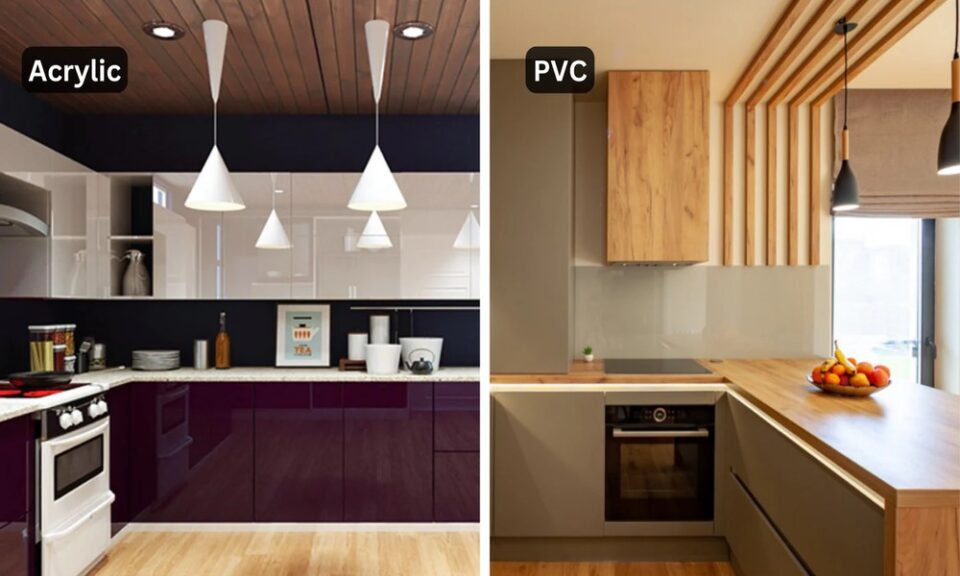
Selecting the ideal material for furniture is a significant choice, influencing both aesthetics and how well it holds up over time. Acrylic and PVC sheets frequently come up in discussions about furniture materials, with each offering distinct advantages. Knowing the differences between acrylic vs PVC can guide you toward the right material, considering both design goals and practical requirements.
Key Differences Between Acrylic Sheet and PVC Sheet
Acrylic sheets are recognized for their high-gloss, reflective surface. When used as an acrylic sheet on furniture, it takes on a contemporary aesthetic, ideal for wardrobes, cabinets, and modular systems. The high-gloss surface amplifies brightness, bouncing light around the room and creating a sense of spaciousness. This quality makes acrylic a favoured option in modern interior design.
PVC sheets, conversely, are prized for their cost-effectiveness and adaptability. Typically found in matte or low-gloss finishes, they are frequently chosen when budget constraints are a primary concern.
When contrasting PVC and acrylic sheets, the former generally prioritizes functionality, while the latter is more focused on aesthetic appeal.
Acrylic’s resistance to moisture and its ability to retain its finish over extended periods, provided it is treated with care, are significant advantages in the PVC versus acrylic comparison. Moreover, acrylic sheets show a reduced tendency to fade and maintain better colour consistency.
PVC sheets are also water-resistant, making them suitable for areas exposed to moisture, but they may not retain their appearance as effectively over long periods, especially in high-use furniture.
When it comes to design versatility, acrylic sheets for furniture offer a wider range of colour options and a more premium finish. From neutral tones to bold shades, acrylic allows for greater customisation. PVC sheets, while functional, often prioritise utility over aesthetics—an important distinction when comparing laminate sheet vs. PVC sheet.
Maintenance is key. Acrylic surfaces need a delicate touch to keep their luster; rough handling can lead to tiny scratches. PVC sheets, on the other hand, are more forgiving in everyday use, showing fewer visible scratches. The downside, though, is the finish. Acrylic generally offers a more refined appearance.
Factors to Consider Before Choosing the Right Material
When comparing PVC and acrylic sheets, their installation and handling characteristics diverge. PVC sheets, due to their lightweight and flexible nature, facilitate easier installation in specific contexts. Conversely, although acrylic sheets are also manageable, they necessitate more meticulous handling to maintain their surface integrity. Nevertheless, the superior finish of acrylic frequently compensates for the additional care required.
Cost plays a significant role in decision-making. PVC sheets are generally more budget-friendly, making them suitable for projects with cost constraints. Acrylic sheets, though a bit pricier, bring a touch of elegance that can elevate the perceived worth of the furniture. This interplay of cost and aesthetic is a key point in the acrylic versus PVC debate.
Also, the desired look of the room plays a role. If a sleek, contemporary, high-gloss vibe is the aim, acrylic is a solid option. PVC, on the other hand, might do the trick for more straightforward, functional pieces. The final call hinges on the furniture’s intended use and its role in the larger design scheme.
As interior spaces become more dynamic, the selection of materials goes beyond mere utility; it’s also about the visual statement they make. Acrylic and PVC each offer distinct benefits, but the ideal pick hinges on individual needs and tastes.
When considering furniture finishes, grasping the interplay between style and practicality is essential. With well-considered surface solutions from companies such as Royale Touche, the process of choosing materials that complement both design vision and daily use becomes more straightforward.
